



آئی این پی ویلتھ پی کے

Govt advances technology-driven rice strategy to bridge yield gaps
July 28, 2026
By Azeem Ahmed Khan
Pakistan has completed a five-year rice productivity enhancement project across Punjab, Balochistan and Khyber Pakhtunkhwa, providing modern farm machinery to growers on a 50% cost-sharing basis to help bridge the gap between actual and potential rice yields.
According to a document from the Ministry of National Food Security and Research, the government adopted an integrated approach focused on modern technology, research and development, improved access to quality inputs and farmer capacity building. The measures were taken under the mega PSDP project titled “Productivity Enhancement of Rice” for the period 2019-2025.
The key interventions under the project included promoting farm mechanisation through laser land levellers, mechanical rice transplanters and combine harvesters. These were provided on a 50% cost-sharing basis to encourage farmers to adopt modern rice production methods and improve field efficiency.
The document said smart agriculture practices were also promoted under the rice productivity programme. These included precision farming, Direct Seeded Rice and Good Agricultural Practices to improve crop management and support better productivity outcomes.
Water management was another major area of intervention. The document said improved water-use practices were promoted through Alternate Wetting and Drying, drip irrigation and solarisation of tube wells. These measures are important for improving production efficiency, especially in a crop where water management plays a central role.
The government also focused on the development and introduction of high-yielding, disease-resistant and climate-resilient rice varieties through advanced research initiatives. The document said collaboration with international partners, including the International Rice Research Institute and China, supported technology transfer in the rice sector.
Separately, another document identified several factors behind yield gaps in major crops, including wheat, rice and maize. In wheat, the main constraints include low adoption of certified and high-yielding climate-resilient varieties, continued use of old or uncertified seed, imbalanced fertiliser application, poor soil fertility management, delayed sowing after cotton, rice or sugarcane, terminal heat stress and low farm mechanisation.
For rice, the document said yields remain constrained though Pakistan is among the leading rice-producing countries. The factors include high input costs, including seed, fertilisers and pesticides, limited farmer investment capacity, relatively low market returns that discourage reinvestment and the adverse impacts of climate change.
In maize, the document noted that Pakistan’s yield of approximately 5.7 tonnes per hectare is comparatively higher than several regional countries. However, further improvement is constrained by heat and drought stress, particularly in spring and autumn crops, limited access to region-specific hybrid seeds, continued use of non-hybrid local varieties, weak availability and high cost of certified seed for smallholders, inadequate crop and weed management practices, and improper fertiliser application timing and methods.
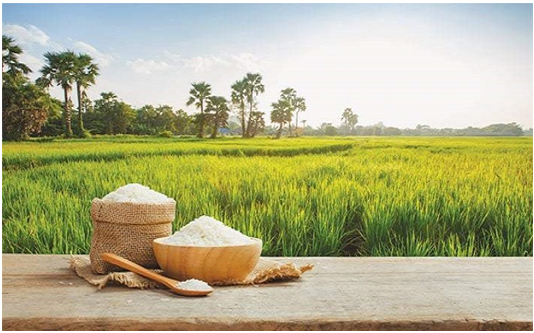
Credit: INP-WealthPk
متعلقہ مضامین