

INP-WealthPk
China-EU rare-earth dialogue reinforces focus on industrial supply chains
November 10, 2026
By Azam Tariq
Continued engagement between China and the European Union on rare-earth trade is reinforcing the importance of advanced processing capabilities and industrial cooperation in global critical-mineral supply chains, highlighting China's technological leadership in refining and permanent magnet manufacturing.
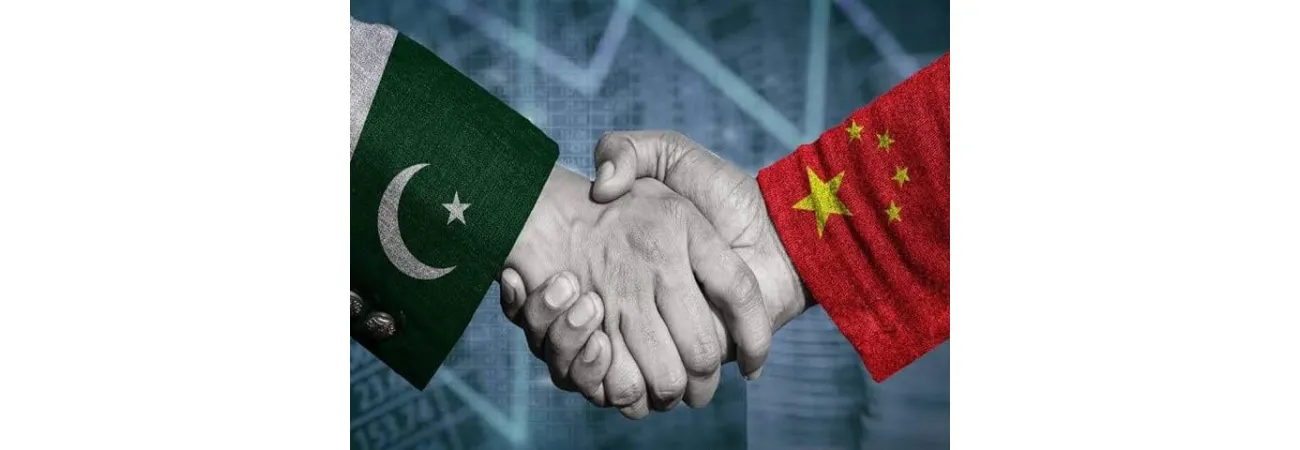
The renewed focus follows recent China-EU consultations in which both sides agreed to strengthen their Export Control Dialogue, improve policy communication, address specific licensing concerns and explore measures to facilitate compliant trade in controlled goods.
China subsequently reaffirmed its commitment to facilitating rare-earth export licences for the EU while seeking reciprocal progress on priority Chinese applications involving EU-controlled dual-use goods.
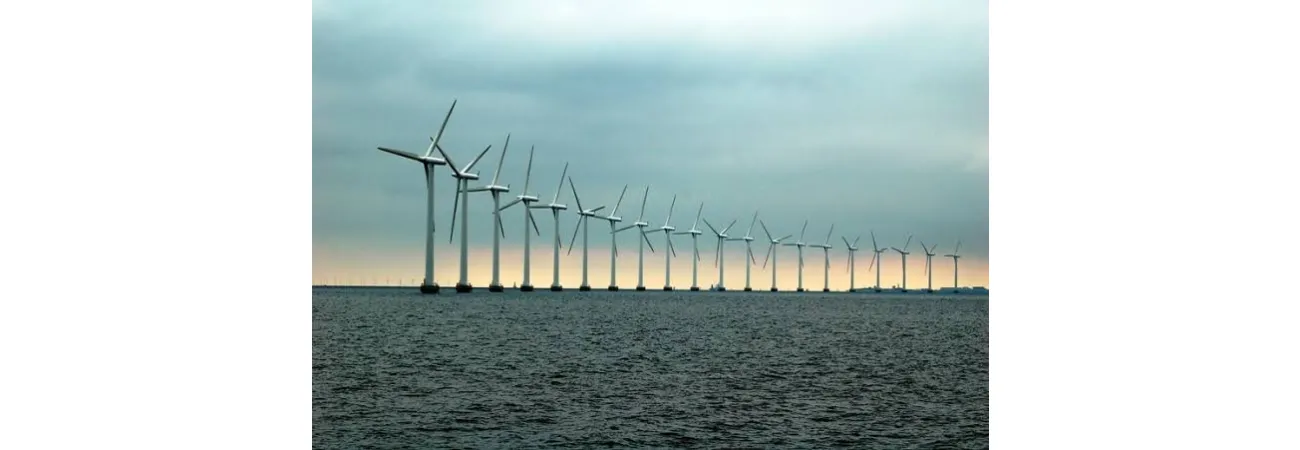
Rare earths are essential inputs for electric vehicles, wind turbines, electronics and other advanced technologies, making reliable supplies important for manufacturing industries worldwide.
According to the International Energy Agency, China accounted for approximately 85% of global rare-earth refining in 2025, reflecting its extensive processing infrastructure and technological expertise. Further downstream, China represented around 94% of global sintered permanent magnet production in 2024.
Diversification efforts, including new projects in the United States and increased production in Malaysia, are also drawing attention to the technical requirements for developing additional processing capacity.
Experts say China's experience demonstrates the importance of the midstream segment of the rare-earth industry, which involves separation, refining and conversion into materials suitable for advanced manufacturing.
Prof Dr Mohammad Younas, Chairman of the Department of Chemical Engineering at the University of Engineering and Technology, Peshawar, told Wealth Pakistan that licensing arrangements between major economies could provide short-term supply stability, while long-term industrial development depends on technological capabilities.
“In rare earths, the value and the leverage lie in the midstream,” he said.
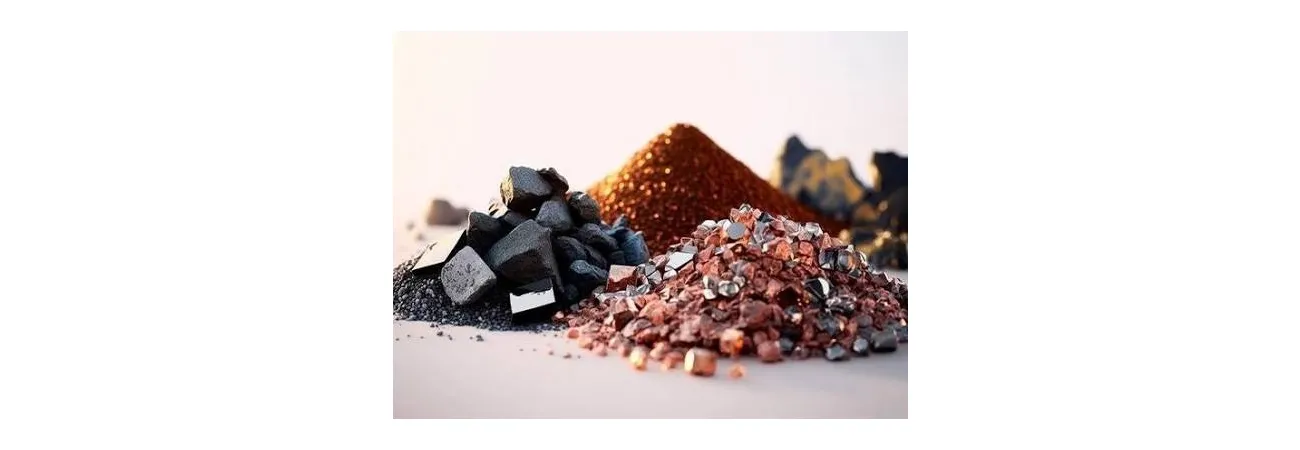
Younas explained that mining represents only the beginning of the value chain. Mixed rare-earth concentrates must undergo technically demanding separation before individual high-purity oxides can be produced and subsequently converted into metals, alloys and magnets.
Rare-earth elements behave very similarly during chemical processing, making separation complex and requiring multiple controlled stages, specialised analytical facilities and consistent product quality, he said.
“A diversified global supply chain needs more processing centres, not just more mines,” Younas said.
He said countries seeking to develop processing capabilities would require detailed geological and mineralogical knowledge, pilot-scale facilities, specialised laboratories, trained engineers and the systems for safely managing radioactive materials such as thorium and uranium that may accompany some rare-earth ores.
International technology partnerships and co-shoring could accelerate industrial development, he said, although domestic technical expertise and proven processing systems would still need to be established locally.
The growing emphasis on processing and value addition also carries implications for developing economies seeking greater participation in critical-mineral supply chains.
Zahid Maqsood Sheikh, governance reform consultant and former Chief Executive Officer of the Pakistan Stone Development Company, told Wealth Pakistan that possessing mineral resources alone does not make a country a reliable international supplier.
Global buyers, he said, assess product quality, consistency, certification, traceability, price and timely delivery before committing to suppliers.
For Pakistan, Sheikh said the priority should be credible geological assessments, internationally recognised testing facilities and commercially sound feasibility studies rather than premature claims about the scale of rare-earth potential.
Where commercially viable resources are established, Pakistan could pursue partnerships with China, Europe, the United States and Gulf countries to attract technology, investment and market access while building a diversified network of international partners, he said.
Sheikh said China's position in the rare-earth industry demonstrates that much of the economic and industrial value is created beyond extraction through processing, refining, technical expertise and downstream manufacturing.
“The real measure of success is not how much mineral material we extract, but how much industrial and export value we create from it,” he said.
The China-EU dialogue highlights the importance of maintaining communication on rare-earth trade while supporting predictable supplies for industries dependent on critical minerals.
China's established processing capabilities also provide an important reference point for countries seeking to develop commercially viable separation, refining and downstream manufacturing industries.
For Pakistan, experts said, participation in these supply chains would depend on credible resource assessments, technical expertise, industrial partnerships and investment in value-added processing rather than mineral potential alone.
Credit: INP-WealthPk
Related Articles