


INP-WealthPk

Core inflation rises to 8% in April, indicating persistent price pressures
May 07, 2026
By Moaaz Manzoor
Core inflation in Pakistan, measured by non-food non-energy (NFNE), increased in April 2026, indicating continued underlying price pressures across the economy.
According to the “Monthly Review on Price Indices April 2026” released by the Pakistan Bureau of Statistics and available with Wealth Pakistan, core inflation in urban areas rose to 8.0% on a year-on-year basis, compared to 7.4% in the previous month.
In rural areas, core inflation reached 8.5% year-on-year in April 2026, slightly higher than the 8.4% recorded in March. The data shows that core inflation remained elevated across both segments, reflecting sustained increases in underlying price components.
On a month-on-month basis, urban core inflation increased by 1.9% in April, compared to 0.7% in March, indicating a faster pace of increase in non-food, non-energy prices. Rural core inflation rose by 1.1% on a monthly basis, up from 0.8% in the previous month.
The report also provides an alternative measure of core inflation based on the 20% weighted trimmed mean, which further highlights the upward trend. In urban areas, trimmed core inflation rose to 9.2% year-on-year in April 2026, compared to 5.9% in March. In rural areas, it increased to 8.9% from 6.3% over the same period.
On a month-on-month basis, trimmed core inflation increased by 1.1% in urban areas and 1.0% in rural areas, compared to 0.6% and 0.5% respectively in March, indicating a broad-based increase in prices even after excluding extreme values.
A comparison with the previous year shows that core inflation levels have remained elevated. In April 2025, NFNE inflation was recorded at 7.4% in urban areas and 9.0% in rural areas, while trimmed core inflation stood at 3.8% in urban areas and 3.3% in rural areas.
The data indicate that while rural NFNE inflation has slightly moderated compared to last year, urban NFNE inflation has edged higher. At the same time, trimmed core inflation has increased significantly in both urban and rural areas compared to April 2025, reflecting broader underlying price movements.
The report further shows that core inflation has followed a gradual upward trend in recent months. Urban NFNE inflation stood at 6.9% in August 2025, increased to 7.5% in October, and reached 7.4% in March 2026 before rising to 8.0% in April. Similarly, rural NFNE inflation remained above 8% for most of the period, indicating persistent price pressures.
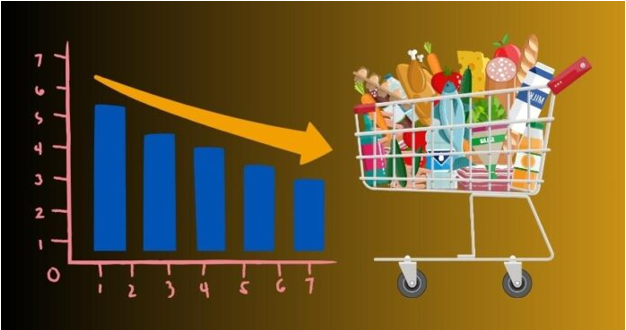
The rise in core inflation reflects sustained increases in non-food and non-energy components of the CPI basket, as captured in the official data for April 2026.
Credit: INP-WealthPk
Related Articles