


INP-WealthPk
Pakistan adds nearly 150,000 gas connections in FY2025-26
June 15, 2026
By Farooq Awan
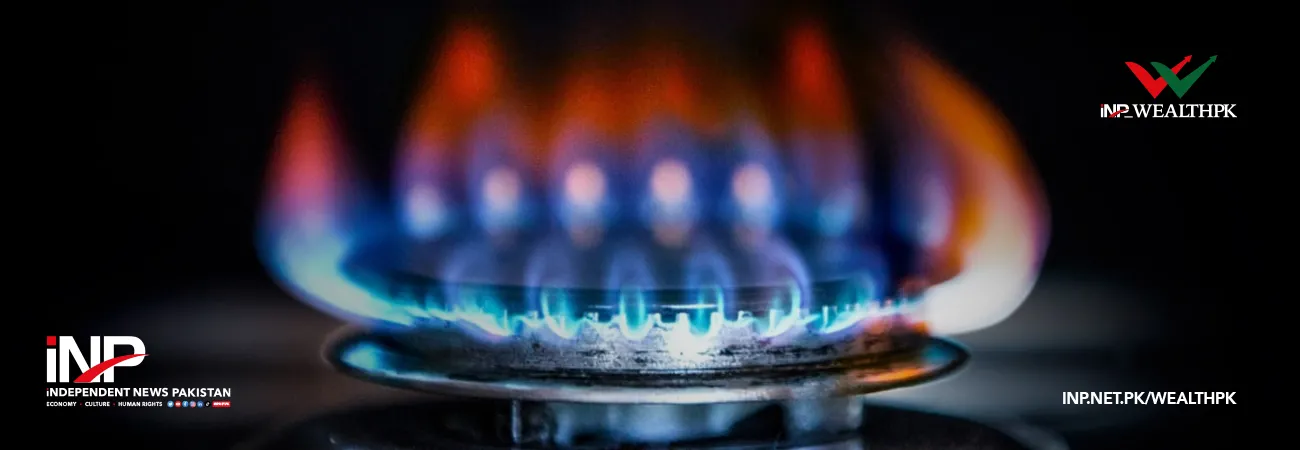
Pakistan added 149,908 new gas connections during July-March FY2025-26, expanding access to natural gas for households, commercial consumers and industrial users despite challenges facing the country's energy sector, according to the Pakistan Economic Survey 2025-26 released by the Ministry of Finance.
The expansion reflects continued efforts to improve energy access and extend gas infrastructure to meet growing demand across the country.
According to the survey, the new connections included domestic, commercial and industrial consumers, increasing the overall reach of Pakistan's natural gas distribution network.
The Ministry of Finance notes that natural gas remains one of the country's most important energy sources, supporting residential consumption, industrial production, power generation and commercial activities.
The survey highlights that Pakistan's gas transmission and distribution network remains among the largest in the region, serving millions of consumers through extensive pipeline infrastructure operated by Sui Northern Gas Pipelines Limited (SNGPL) and Sui Southern Gas Company (SSGC).
Despite the addition of new consumers, the gas sector continues to face significant challenges arising from declining indigenous gas reserves and growing demand.
According to the survey, domestic natural gas production continued its long-term declining trend during FY2025-26, increasing reliance on imported energy supplies, particularly liquefied natural gas (LNG).
The report notes that rising population, urbanization and industrialization have steadily increased demand for natural gas across the country.
Pakistan's population reached approximately 252 million during FY2025-26, while economic growth accelerated to 3.7%, increasing energy requirements across residential and productive sectors of the economy.
The industrial sector, which grew by 3.51% during the fiscal year, remained a major consumer of natural gas. Large-scale manufacturing expanded by 6.11%, increasing demand for energy inputs in various industries.
The survey highlights that natural gas plays a critical role in supporting industrial competitiveness by providing fuel for manufacturing processes and captive power generation.
Households also remain heavily dependent on natural gas for cooking and heating, making network expansion an important element in improving living standards and energy accessibility.
According to the survey, the government continues to pursue policies aimed at enhancing energy security through a combination of domestic resource development, LNG imports and diversification of the energy mix.
The report notes that while gas remains a key component of Pakistan's energy system, the country is increasingly investing in alternative energy sources to reduce pressure on gas supplies.
Clean energy sources accounted for 53.1% of electricity generation during FY2025-26, reflecting progress in expanding hydropower, nuclear, solar and wind energy.
The survey also points to ongoing efforts to improve efficiency in the gas sector through infrastructure upgrades, loss-reduction measures and better resource management.
According to the Ministry of Finance, strengthening transmission and distribution systems remains essential for ensuring a reliable gas supply and supporting future economic growth.
The expansion of gas connections is particularly important for commercial and industrial development, as access to energy infrastructure influences investment decisions and business activity.
The survey notes that improving energy access supports broader economic objectives, including industrial growth, employment generation and improved quality of life for consumers.
At the same time, policymakers continue to face the challenge of balancing rising demand with declining domestic production and increasing import requirements.
The Ministry of Finance emphasizes the importance of accelerating exploration activities, developing domestic energy resources and improving efficiency across the energy value chain to address future supply challenges.

Credit: INP-WealthPk
Related Articles