


INP-WealthPk

Pakistan's employed labour force rises to 77.2m in FY2025-26
June 15, 2026
By Azam Tariq
Pakistan's employed labour force increased to 77.2 million in FY2025-26 as economic activity and job creation expanded across key sectors of the economy, according to the Pakistan Economic Survey 2025-26 released by the Ministry of Finance.
The survey highlights the growth in employment as an important indicator of improving economic conditions, supported by expansion in agriculture, industry and services during the fiscal year.
According to the survey, the labour force participation rate increased to 46.3%. The unemployment rate stood at 7.1%, reflecting ongoing challenges in absorbing a rapidly growing workforce despite improvements in economic activity.
The Ministry of Finance notes that Pakistan's economy expanded by 3.7% during FY2025-26, providing opportunities for employment generation across multiple sectors.
Agriculture remained the country's largest employer and continued to play a vital role in supporting livelihoods, particularly in rural areas. The sector grew by 2.89% despite flood-related disruptions and contributed 23.54% to the national economy.
The survey notes that stronger performance in livestock, wheat, vegetables and pulses supported agricultural employment during the fiscal year. Livestock alone expanded by 3.75%, helping sustain income opportunities for rural households.
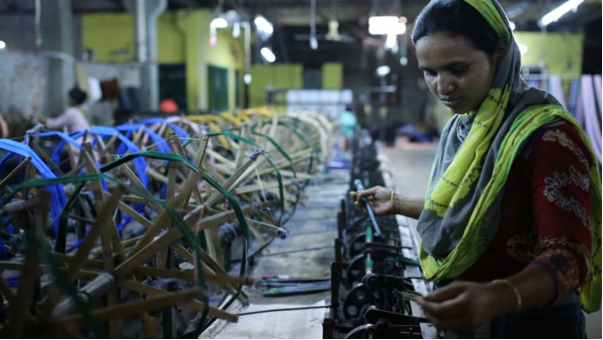
Industrial activity also contributed to employment growth. The industrial sector recorded growth of 3.51%, supported by a strong recovery in manufacturing.
Large-scale manufacturing expanded by 6.11% during FY2025-26 after contracting in the previous fiscal year. Increased production activity in textiles, apparel, food processing, automobiles, pharmaceuticals and electrical equipment created additional demand for workers across industrial value chains.
According to the survey, the construction sector emerged as another important source of employment generation. Construction activity grew by 5.73%, supported by infrastructure development, housing projects and commercial investments.
The expansion of construction activities created employment opportunities for both skilled and unskilled workers, while also supporting jobs in related industries such as cement, steel, transport and engineering services.
The services sector, which remains the largest component of Pakistan's economy, expanded by 4.09% during FY2025-26 and continued to absorb a significant share of the labour force.
Growth in wholesale and retail trade, transport, information and communication, financial services and public administration contributed to employment opportunities in urban areas.
The survey highlights the growing role of the digital economy in supporting employment generation. ICT export remittances increased to $3.38 billion during July-March FY2025-26, while freelancer exports reached $856.3 million.
Programmes such as DigiSkills continued to provide digital training opportunities, helping young Pakistanis participate in online employment and freelance work.
According to the Ministry of Finance, private investment increased by 12.8% during FY2025-26, supporting business expansion and creating additional demand for labour.
Private sector credit also increased by Rs934.1 billion during the fiscal year, indicating stronger business activity and investment in productive sectors of the economy.
The survey notes that Pakistan's population reached approximately 252 million during FY2025-26, underscoring the importance of sustained economic growth and job creation.
Pakistan's large youth population enters the labour market each year, creating constant pressure to create new jobs across all sectors.
The report highlights ongoing government efforts to improve workforce skills through technical education, vocational training and digital capacity-building programmes.
According to the Ministry of Finance, enhancing labour productivity and expanding employment opportunities remain essential for increasing incomes, reducing poverty and supporting long-term economic development.
The survey emphasizes that sustained growth in investment, industrial activity and services will be critical for generating sufficient employment opportunities for Pakistan's growing workforce.
Credit: INP-WealthPk
Related Articles