


INP-WealthPk

Rising oil prices likely to pressure inflation, growth in Pakistan
May 07, 2026
By Moaaz Manzoor
Rising global oil prices amid escalating regional tensions are expected to keep inflation elevated, slow economic growth, and intensify external pressures on Pakistan, according to a report by Topline Securities available with Wealth Pakistan.
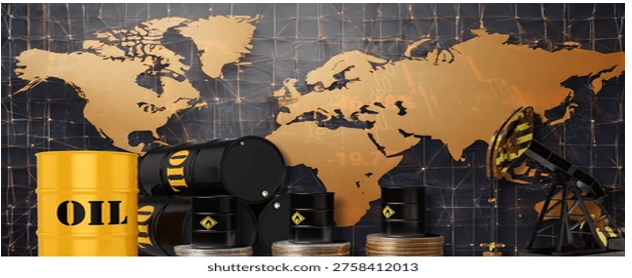
The brokerage house noted that Pakistan remains highly vulnerable to oil price shocks due to its heavy reliance on imported energy, with around 85% of requirements met through imports. Petroleum imports alone are estimated at $15 billion in FY26, accounting for roughly 22% of total imports.
Against this backdrop, Topline expects average inflation to remain in the range of 9–10% over the next 12 months, assuming oil prices hover around $100 per barrel. However, if prices rise to $120 per barrel, inflation could increase to 10–11%, with fourth-quarter FY26 inflation exceeding 11%. The report estimates that every $10 per barrel increase in oil prices adds approximately 50 basis points to inflation.
Providing a broader perspective, an earlier policy note by the Sustainable Development Policy Institute (SDPI), titled “US-Israel War on Iran: Impact on Pakistan’s Economy,” also highlighted significant inflationary risks. The SDPI note projected annual average inflation at 11–13% — well above the State Bank of Pakistan’s target range of 5–7% — driven by a higher import bill, potential rupee depreciation, and a slowdown in remittances from Gulf countries. It further estimated that a 10% increase in oil prices could raise headline CPI by around 0.2 to 0.4 percentage points.
Reflecting these pressures, the State Bank of Pakistan has already raised its policy rate by 100 basis points to 11.5% in its latest monetary policy decision. Topline noted that further tightening may be required if oil prices remain elevated.
On economic growth, Topline revised its FY27 GDP forecast downward to 2.5–3.0% from earlier expectations of around 4%, citing the impact of higher energy costs and weakening industrial activity. Large-scale manufacturing is expected to remain under pressure, while growth in the services sector may also slow.
The SDPI note presents a similar outlook, estimating GDP growth at 3.01–3.33% under a phased scenario, but warning it could fall below 3% if energy shortages persist and gas rationing to industry intensifies. It also projected that the oil import bill could rise by about $6.2 billion under such conditions.
For FY26, however, Topline expects growth to remain in the range of 3.5–4.0%, broadly aligned with central bank projections, before moderating in FY27 if current conditions persist.
On the external front, Topline projects the current account deficit at $3.5 billion (0.8% of GDP) in FY27 under continued administrative controls. However, it cautioned that any policy slippage could widen the deficit beyond $8 billion (around 1.9% of GDP), increasing pressure on foreign exchange reserves.
The brokerage house also expects the rupee to depreciate by an average 5–6% in FY27, with downside risks if external imbalances intensify.
Pakistan’s equity market has already reflected these concerns, declining around 15% in the March 2026 quarter and ranking among the worst-performing markets globally during the period, the report noted.
Despite the challenging macroeconomic environment, the report identified selective opportunities in the exploration and production, fertilizer, and banking sectors, which are likely to benefit from higher energy prices and rising interest rates.
Analysts said Pakistan’s economic outlook will remain closely tied to global oil price movements, with persistently high prices expected to keep pressure on inflation, growth, and the external account.
Credit: INP-WealthPk
Related Articles