INP-WealthPk
Centralised monitoring system proposed for sugar production, stocks and prices
January 12, 2026
Farooq Awan
A centralised sugar market monitoring system has been proposed to track production, stock levels, and prices across the supply chain, to improve transparency and enable timely policy responses, according to a policy document issued by the Institute of Cost and Management Accountants of Pakistan (ICMA).
The document states that the absence of a unified and reliable data system has been a persistent weakness in the management of Pakistan’s sugar sector. According to ICMA, information on sugar production, inventories, sales, and pricing is currently fragmented across multiple agencies and market participants, limiting the government’s ability to form an accurate and timely assessment of market conditions.
The proposed system would consolidate data from sugar mills, major traders, and relevant government departments into a single platform. The study notes that such a system would allow authorities to monitor production and stock trends in real time or near real time, rather than relying on periodic surveys or ad hoc reporting exercises.
ICMA explains that under the existing framework, data gaps often become apparent only after prices begin to rise or shortages are reported. By that stage, the document notes, corrective measures such as imports, price interventions, or enforcement actions are frequently delayed, reducing their effectiveness and increasing market uncertainty.
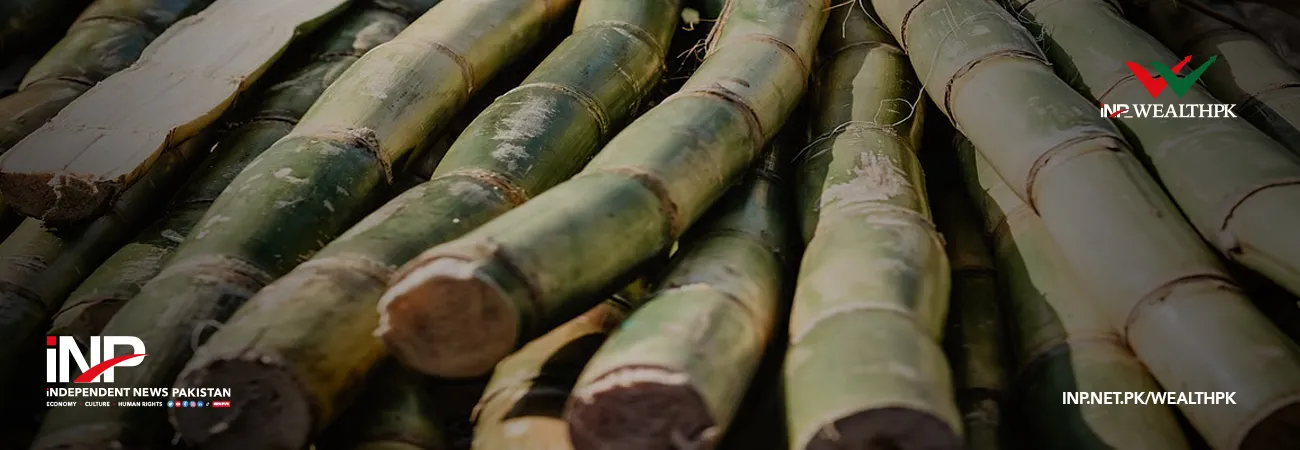
According to the report, a centralised monitoring system would support more informed decision-making by providing a continuous overview of sugar availability at the national level. This would include tracking sugarcane crushing volumes, sugar recovery rates, mill-wise production, and the movement of stocks through the supply chain.
The document states that reliable stock data is critical in assessing claims of shortages. In the absence of verified information, the study notes, policymakers often face pressure to allow imports or restrict exports based on incomplete or conflicting reports. A centralised system, ICMA says, would help distinguish between genuine supply constraints and artificial scarcity.
ICMA further notes that price data collected through the monitoring system would allow regulators to identify unusual price movements and investigate their causes. According to the document, such visibility would support competition enforcement by highlighting patterns that may warrant closer scrutiny.
The report highlights that the proposed system is also intended to improve coordination between federal and provincial authorities. Sugar sector regulation in Pakistan involves multiple jurisdictions, and inconsistent data has often complicated policy alignment. A shared data platform, the document states, would help ensure that decisions on pricing, trade, and enforcement are based on a common set of verified information.
According to ICMA, the monitoring system would also play a key role during the transition toward sugar market deregulation. As direct price controls are reduced, the report notes, data-driven oversight becomes increasingly important for maintaining market stability and responding to emerging risks.
The document records that international experience shows commodity markets functioning more smoothly when regulators have access to timely and accurate data. ICMA notes that without such systems, deregulated markets may become vulnerable to manipulation, misinformation, and delayed interventions.
The study also stresses that the effectiveness of the proposed monitoring system would depend on mandatory participation, standardised reporting formats, and enforcement mechanisms to ensure data accuracy. According to the document, voluntary or partial reporting would not be sufficient to achieve comprehensive market visibility.
ICMA concludes that establishing a centralised sugar market monitoring system is a critical institutional reform. The report states that by improving transparency and information flow, the system would support more predictable policy decisions, strengthen oversight, and contribute to a more stable and accountable sugar market.

Credit: INP-WealthPk
Related Articles