INP-WealthPk
High input costs threaten Sindh’s Rabi season crop
December 10, 2025
Ahmed Khan Malik
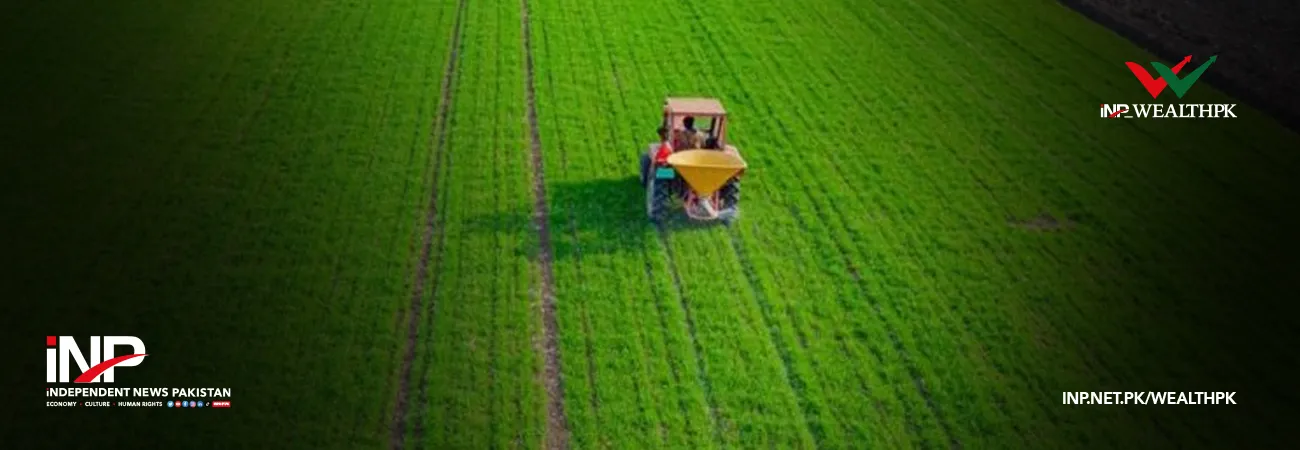
The Rabi season in Sindh, traditionally a period of renewed agricultural activity, faces significant challenges this year, as farmers grapple with the soaring input costs, reports Wealth Pakistan. Wheat, the major Rabi crop, along with oilseeds, pulses, and winter vegetables, is at risk, as growers struggle to manage the rising expenses for fertilizers, seeds, fuel, pesticides, and irrigation. This situation has created concern among the small and medium landholders, who form the backbone of the province’s food production, growers told Wealth Pakistan.
Mustafa Shah, Secretary of the Sindh Abadgar Forum, said over the past year, the cost of essential agricultural inputs has increased sharply. Fertilizer prices, in particular, have surged due to supply shortages and rising global commodity trends. Urea and DAP, both critical for wheat cultivation, have become more expensive than many farmers can afford. As a result, the growers fear a decline in per-acre productivity, which could ultimately threaten overall food security. He said fuel costs had also added to the pressure as diesel, vital for operating tractors, tube wells, and threshers, sells at a premium. Higher fuel expenses directly translate into higher land preparation and irrigation costs,” he added.
For many farmers in the canal-irrigated districts, water shortages in recent seasons have already forced them to rely more on tube wells. With the high cost of fuel, irrigation has become an increasingly burdensome expense. Shah said quality seed availability is another challenge this season. While government agencies and private companies provide certified wheat seeds, the supply is insufficient to meet the needs of all growers.
“Many farmers are left to rely on low-quality, saved seed, resulting in lower germination rates and reduced yields. The high price of certified seed further discourages widespread adoption,” he said. Pesticides and herbicides, essential for protecting crops against pests and weeds, have also witnessed price hikes. He complained that adulterated or substandard products have flooded markets, forcing the growers to spend more while still facing the risk of crop losses.
“Without effective pest control, wheat crops become vulnerable to aphids, rust diseases, and other threats that could compromise both yield and grain quality,” he said.
These challenges come at a time when the farmers are already braving erratic weather patterns.
“Delayed or insufficient winter rains can affect soil moisture, increasing dependence on irrigation. In lower Sindh, where salinity issues are already prominent, lack of affordable inputs only deepens the struggle for productive cultivation,” said Naveed Sherazi, a Thatta-based grower. He sought government intervention and argued that subsidies on fertilizers and fuel, strengthening the supply chains, and strict monitoring of agricultural input markets are essential steps to stabilize the situation.
Improving the distribution of certified seeds and taking action against the sellers of adulterated pesticides are also important measures highlighted by the stakeholders.
Credit: INP-WealthPk
Related Articles