


INP-WealthPk
Pakistan secures €732m tariff relief as GSP+ use rebounds to 95%
July 20, 2026
By Farooq Awan
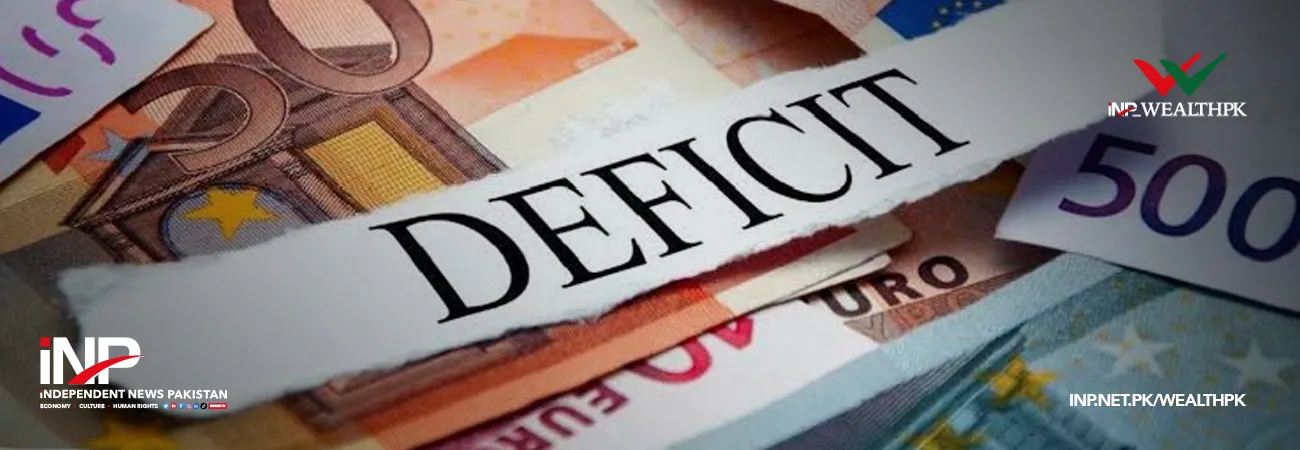
Pakistan saved an estimated €732 million in European Union tariffs during 2024 as exporters used more than 95% of the trade concessions available under the GSP+ scheme, reinforcing the programme’s importance for the country’s access to its largest export market.
According to the European Commission’s GSP+ assessment of Pakistan covering 2023–2025, Pakistan remained the programme’s largest beneficiary, with €7.482 billion in GSP+-eligible exports entering the EU in 2024.
Exporters claimed preferential treatment on €7.115 billion of those eligible shipments, producing a utilisation rate of 95.1%. The rate recovered substantially from 87.9% in 2023, when supply-chain disruptions and weaker European demand affected clothing and home-textile shipments.
The tariff exemptions secured through GSP+ were equivalent to around 9% of Pakistan’s total export value to the EU in 2024, demonstrating the financial advantage provided by duty-free or reduced-duty access.
Total EU imports from Pakistan reached €8.275 billion in 2024, recovering from €7.861 billion in 2023 but remaining below the record €9.418 billion registered in 2022.
Of the EU’s total imports from Pakistan during 2024, 90.4% were eligible for GSP+ treatment. Another €336.7 million entered under zero-duty most-favoured-nation tariff lines, representing 4.1% of the total.
Pakistan has benefited from the EU’s Special Incentive Arrangement for Sustainable Development and Good Governance since 2014. The programme links preferential market access with the effective implementation of 27 international conventions covering human rights, labour standards, environmental protection and good governance.
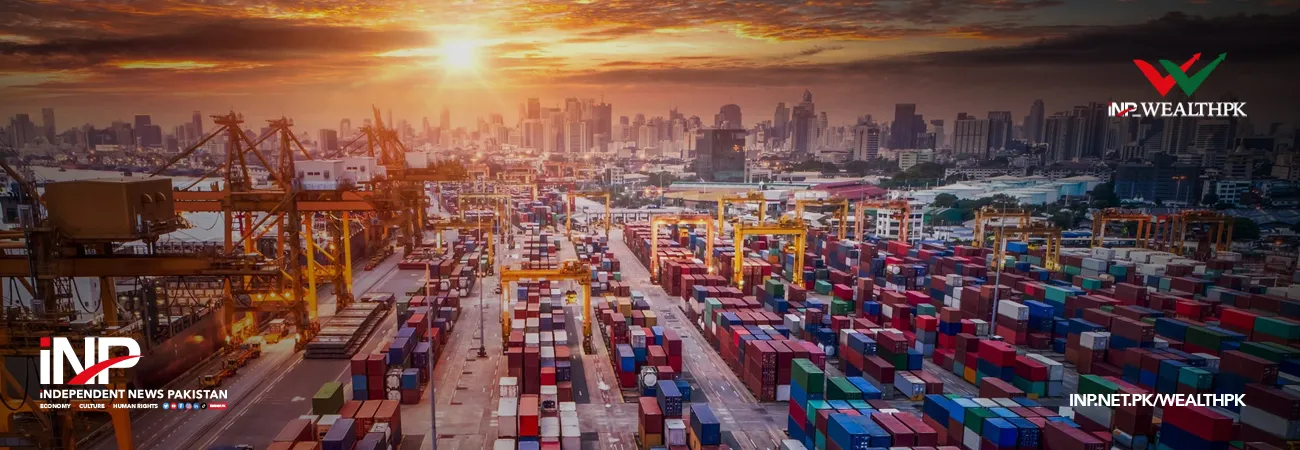
The EU remained Pakistan’s largest export market, accounting for 28% of the country’s total exports. Textiles and clothing represented around 70% to 76% of Pakistan’s exports to the bloc in 2024.
The assessment showed that Pakistan’s utilisation of available preferences had remained consistently high before the temporary fall in 2023. The rate stood at 97.1% in 2019, 97.2% in 2020, 94.5% in 2021 and 96.1% in 2022.
The return to 95.1% in 2024 indicates that Pakistani exporters again claimed most of the tariff advantages available for their eligible products.
However, the assessment tied continued access to progress on the conventions underpinning the scheme. It said Pakistan faced compliance concerns during the 2023–2025 monitoring period, with most improvements being legislative or administrative rather than practical.
The revised EU GSP framework expected from 2027 will increase the importance of addressing the identified compliance gaps.
For exporters, the 2024 figures show that GSP+ remains a major source of competitiveness in the European market. The €732 million in exemptions represents tariff costs that eligible Pakistani products did not have to bear, supporting their ability to compete with goods supplied by countries without comparable preferential access.
Credit: INP-WealthPk
Related Articles