INP-WealthPk
PTC calls for revisiting Rs1,243/MMBTU gas levy on captive power plants
February 26, 2026
Moaaz Manzoor
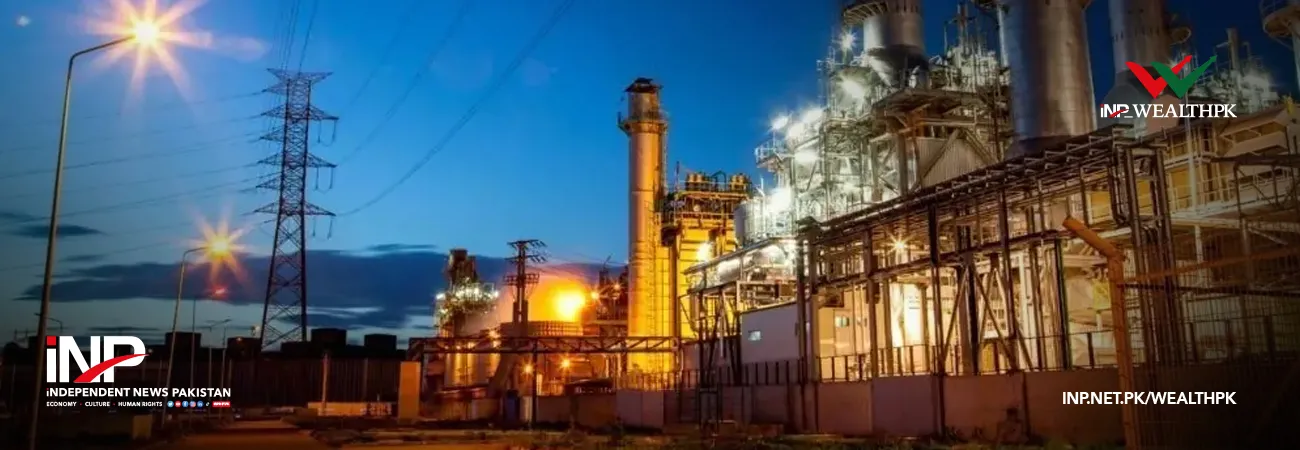
The Pakistan Textile Council (PTC) has expressed concern over the Petroleum Division’s decision to impose a Rs1,243 per MMBtu levy on off-grid captive power plants for December 2025 under the Off-Grid (Captive Power Plants) Levy Act, 2025, reports Wealth Pakistan.
The levy applies to the gas used by export‑oriented industries operating captive power facilities. In a statement, the PTC said the measure comes at a time when the government is pursuing higher export targets under the Uraan Pakistan initiative, which aims to raise exports to $60 billion.
The council noted that the levy has increased from Rs402 per MMBtu to Rs1,243 per MMBtu within months, including a built‑in 20 percent increase.
According to the PTC, the impact of the levy is already visible in the energy sector. The council stated that export industries’ gas demand has declined, national linepack levels have crossed critical thresholds, approximately 300 MMCFD of domestic gas has been curtailed, LNG cargoes are being diverted, and gas utilities are experiencing throughput pressures.
PTC Chairman Fawad Anwar said the levy has been imposed “over and above” the gas sale price notified by the Oil and Gas Regulatory Authority (OGRA).
“The levy destroys tariff finality. If regulator‑notified prices can be topped up at will through executive notification, then no energy price in Pakistan is final. Investors cannot hedge it. Industry cannot plan for it. Banks cannot finance against it. This creates sovereign overlay risk in an already fragile economy,” he said.
The council also pointed out that the levy applies to captive power plants “with or without co‑generation,” meaning high‑efficiency Combined Heat and Power (CHP) systems are treated the same as other setups.
Globally, CHP systems are often promoted for improving fuel efficiency and reducing emissions. However, the PTC stated that the current structure does not differentiate between efficient and less efficient systems.
The council further noted that the law directs levy proceeds toward reducing electricity tariffs for other consumer categories. According to the PTC, this results in export‑oriented gas users bearing additional financial burden linked to power‑sector costs.
“This means productive sectors are being taxed to protect consumptive sectors. No competitive export economy functions this way,” the statement said. In additional remarks, Fawad described the levy as economically and strategically damaging.
“This levy is economically irrational and strategically damaging. You cannot tax your exporters into competitiveness. If Pakistan is serious about a $60 billion export target, then policy must support productive sectors — not penalize them,” he said, adding that the measure should be reconsidered.
The PTC called for restoration of regulator‑led pricing, protection of high‑efficiency cogeneration systems, removal of cross‑subsidies from gas pricing, and alignment of energy policy with export competitiveness and macroeconomic stability.
Credit: INP-WealthPk