INP-WealthPk
WB, IFAD disbursements for KP uplift projects reach $937 million
February 23, 2026
Ayesha Saba
The Khyber Pakhtunkhwa government is implementing several development projects with financial assistance from the World Bank and the International Fund for Agricultural Development (IFAD) amounting to a total of US$2,258.28 million.
According to official documents available with Wealth Pakistan, cumulative disbursements have reached US$937.86 million, reflecting steady financial progress across multiple sectors, including tourism, agriculture, health, education, energy, public financial management, and rural infrastructure.
Among the major ongoing initiatives, the Integrated Tourism Development Project, with a committed amount of US$100 million, has achieved 80 percent progress. The project faces delays in the C&W component due to inclement weather.
The US$171 million Irrigated Agriculture Improvement Project has also recorded 80 percent progress, with US 156 million disbursed to date.
The US$118 million Revenue Mobilization and Public Resource Management Project is progressing steadily, with US$97.7 million disbursed so far. However, the project faces issues related to the governance structure of the Shared Support Unit (SSU) and Project Implementation Unit (PIU), digitization initiatives for the Peshawar Uplift Programme, and delays in utilizing funds under the Institutional Performance Framework (IPF) component.
In the social sectors, the US$200 million Human Capital Investment Project has achieved around 70 percent progress with disbursements of US$95.1 million. However, the project’s education component has faced delays due to restructuring and pending CDWP approval.
Similarly, the National Health Support Project, with total financing of US$64.6 million, is under implementation. However, coordination challenges across the federal and provincial levels have affected the regular convening of Universal Health Coverage platform meetings.
In the energy sector, US$15.7 million has been disbursed to date for the US$450 million Hydropower and Renewable Energy Development Project. However, the physical progress remains limited, with Gabral Kalam at 4 percent and Madian at 0 percent, mainly due to protracted land acquisition delays in Madian.
Public financial management reforms are being pursued under the US$400 million Spending Efficiency for Enhanced Development Project, with US$281.2 million disbursed to date. The implementation challenges include delays in the rollout of the Program Action Plan, notification of the centralized Asset Management Unit in P&D, and finalization of arrangements for primary health care and education budget norms.
Infrastructure development continues under the US$378 million Rural Accessibility Project. The project has achieved 60 percent physical progress with US$166 million disbursed so far. However, the delayed release of counterpart funds has slowed the momentum.
The KP Rural Economic Transformation Project, with combined loan and grant financing of US$101.68 million, has achieved 20 percent progress, with US$29.66 million disbursed. The project faces no major issues.
The Khyber Pakhtunkhwa Rural Investment and Institutional Support Project (US$200 million) remains in the design phase with zero physical progress and US$25.1 million disbursed.
The project has encountered delays in establishing the Project Coordination and Management Unit, recruitment of key environmental, social, and M&E specialists, adoption of Agriculture PIM and Local Government POM, and finalization of GBV/SEA mitigation and security management plans, along with delays in hiring consultancies across departments.
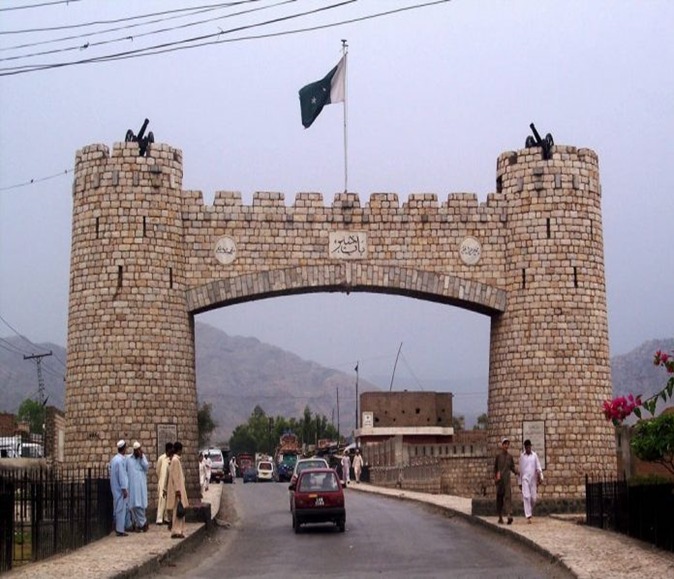
Meanwhile, US$2 million has been disbursed for the Khyber Pass Economic Corridor Project (US$75 million), but physical progress remains zero due to weak ownership and procedural bottlenecks, with the World Bank flagging risks of cancellation.
Community complaints regarding livelihood losses and displacement linked to the Southern Link Road alignment, along with bids substantially higher than PC-I estimates, compounded by the exchange rate losses of US$32.7 million, have further complicated implementation.
Overall, the documents reflect that while these projects are progressing steadily with substantial disbursements and physical achievements, several initiatives continue to face procedural, coordination, land acquisition, restructuring, and funding release challenges.
The provincial government, in collaboration with development partners, is working to address these bottlenecks to ensure the timely completion of critical development projects.
Credit: INP-WealthPk
Related Articles