INP-WealthPk

High utility costs begin to clog Karachi’s small industries
February 12, 2026
Ahmed Khan Malik
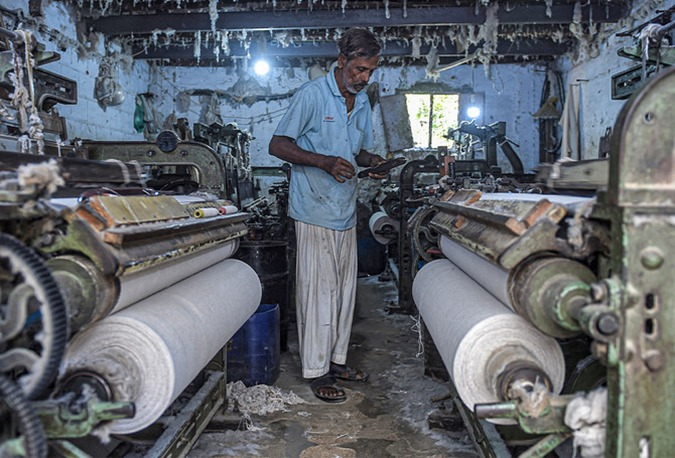
Rising electricity, gas, and water tariffs have significantly increased production costs for small industries, placing them under severe strain and compelling many to either downsize operations or consider shutdowns.
Utility bills for small manufacturing units in Korangi, SITE, Landhi, North Karachi, and Baldia have surged—doubling and in some cases even tripling over the past few years, according to local business owners.
Electricity tariffs, coupled with multiple taxes and surcharges, have become the single largest expense for many factories, surpassing labour and raw material costs. “Small industries simply cannot absorb these costs. Unlike large exporters, we have limited margins and no access to subsidized energy. High utility charges are eroding our competitiveness and pushing businesses into losses,” Muneeb Hussain, a small entrepreneur in SITE, told Wealth Pakistan.
He pointed out that gas shortages and inconsistent supply had further compounded the problem. “Many small units depend on gas for boilers and heating processes, but frequent shutdowns and pressure issues force them to rely on alternative fuels or generators, increasing operational expenses. Use of diesel and furnace oil added to costs at a time when demand remains uncertain,” Muneeb said. “Water shortages and rising tanker prices are another major challenge.
Industrial areas in Karachi often receive insufficient municipal water supply, compelling factory owners to purchase water from private tankers at high rates. For small units involved in textiles, leather, food processing, and chemicals, water costs have become a critical concern,” he said. According to industry representatives, the impact of high utility costs extends beyond factory gates.
Reduced production has led to layoffs, shorter work shifts, and delayed wage payments. Workers, many of whom rely on daily wages, are among the hardest hit. “When factories slow down, livelihoods are directly affected,” Junaid Memon, a factory owner in Korangi Industrial Area, told Wealth Pakistan. He said export-oriented small businesses were also losing ground to regional competitors.
Higher energy tariffs make Pakistani products more expensive compared to goods from countries such as Bangladesh, Vietnam, and India, where governments offer targeted subsidies and stable utility pricing for small industries. He said trade bodies like the Karachi Chamber of Commerce and Industry (KCCI) had repeatedly urged the federal and provincial governments to rationalize utility tariffs and introduce special packages for small and medium enterprises (SMEs).
Their proposals include reduced electricity rates during off-peak hours, restoration of gas supply to industrial units, and elimination of excessive surcharges and taxes on utility bills. Some small industrialists are exploring solar power as an alternative, but high upfront installation costs and limited space in congested industrial zones remain major barriers.
Junaid warned that neglecting small industries could have serious consequences for Karachi’s economy. “Small units contribute significantly to employment, value addition, and supply chains linked to larger exporters. If these industries collapse, recovery will be difficult,” he said, emphasizing the need for targeted policy support.
Credit: INP-WealthPk
Related Articles