INP-WealthPk
Pakistan’s first digital agricultural census lays foundation for smarter farm policies
July 18, 2026
By Azeem Ahmed Khan
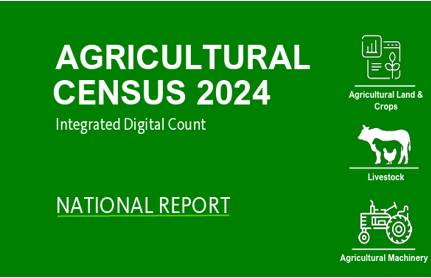
Pakistan’s first-ever integrated digital Agricultural Census 2024 has laid the groundwork for evidence-based policymaking by giving the government a more accurate and timely picture of the country’s agriculture, livestock and farm machinery sectors.
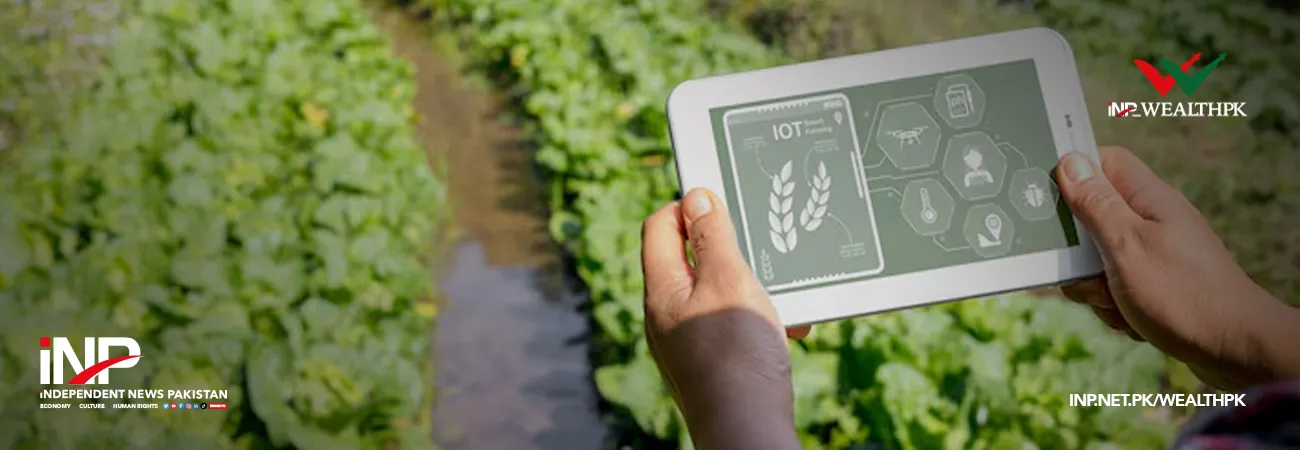
Unlike the previous paper-based censuses conducted separately, the 7th Agricultural Census, a copy of which is available with Wealth Pakistan, has combined agriculture, livestock, and agricultural machinery into one nationwide digital exercise. The Pakistan Bureau of Statistics (PBS) conducted the census by using tablet-based data collection, geo-tagging, GIS-enabled dashboards and real-time monitoring to improve accuracy, transparency and operational efficiency.
According to Muhammad Sarwar Gondal, former PBS member and Project Lead for the 7th Agricultural Census, the census was urgently needed, as Pakistan faces growing food security challenges and a rising population. He noted that agriculture contributes about 24% to Pakistan’s gross domestic product (GDP) and employs around 35.1% of the labour force, making reliable and updated data essential for informed policymaking.
Gondal said the PBS digitized the entire operation through integrated human resource, inventory management, complaint management, and task assignment systems. Thousands of field staff and officials from agriculture, livestock, education, and revenue departments were trained for the exercise.
Federal Minister for Planning, Development and Special Initiatives (PD&SI) Ahsan Iqbal described the census as a transformative milestone in agricultural planning. He said the census provides comprehensive information on farm holdings, land ownership, cropping patterns, irrigation methods, livestock, agricultural credit, and farm mechanization.
He said the data would help formulate policies to raise farm productivity, improve climate resilience, increase rural incomes and support Pakistan’s commitments under the Sustainable Development Goals (SDGs). Reliable agricultural statistics, he added, are indispensable for transforming agriculture into a high-value, technology-driven and sustainable sector under the government’s ‘URAAN Pakistan’ initiative and the 5Es National Economic Transformation Plan.
Secretary of PD&SI Awais Manzur Sumra said the census is a landmark achievement because it integrates three major agricultural domains into a single exercise and introduces digital methodology for the first time in Pakistan’s agricultural census history.
He said the report provides an extensive statistical profile covering farm structures, land utilization, tenure systems, crop patterns, livestock population, orchards, irrigation practices, access to agricultural credit, and adoption of modern farming techniques such as tunnel farming, drip irrigation, and sprinkler irrigation.
According to Sumra, the detailed digital data will help improve agricultural productivity, reduce poverty, expand agricultural exports, strengthen food security, and accelerate progress towards agriculture-related SDGs.
Chief Statistician Dr Naeem uz Zafar said the census was completed in two phases. Data collection in cold and snowbound areas was carried out during September-November 2024, while the remaining parts of the country were covered during January-February 2025.
He said the integrated digital approach combined information on agricultural land, crops, livestock, and machinery while using modern technologies to improve data quality. The census, he added, provides critical information needed to address food security, climate resilience, rural development and agricultural modernization.
Credit: INP-WealthPk
Related Articles