INP-WealthPk
Sindh’s next ADP to focus on rebuilding flood-hit infrastructure
February 10, 2026
Ahmed Khan Malik
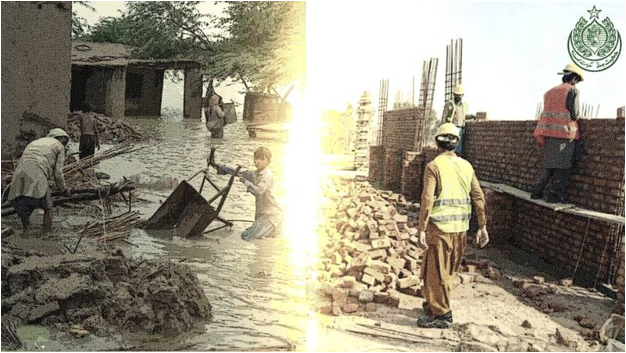
The government of Sindh will place special emphasis on the reconstruction and rehabilitation of infrastructure devastated by the 2022 floods in its Annual Development Plan (ADP) for the upcoming fiscal year 2026-27.
“Focus on the next year's ADP would be to complete the projects for rehabilitation of infrastructure which were damaged by the rains and floods in 2022,” Planning and Development Department, Sindh, stated in its guidelines issued to the different departments for development schemes, according to a document seen by Wealth Pakistan.
Meanwhile, officials in the Planning and Development Department said the upcoming ADP will largely focus on finishing existing projects launched in the aftermath of devastating floods, rather than initiating new schemes. The strategy is aimed at ensuring timely restoration of critical infrastructure, avoiding cost overruns, and delivering tangible benefits to flood-hit communities across the province.
Sindh has suffered extensive damage to its infrastructure due to recurring monsoon floods in recent years, with roads, bridges, schools, healthcare facilities, irrigation networks and water supply systems severely affected. While several rehabilitation projects were initiated as part of emergency and post-flood recovery efforts, many remain incomplete due to funding constraints, logistical challenges and implementation delays.
Officials said the ADP FY27 reflects a “completion-driven approach” to development planning. “The government’s priority is to complete what has already been started,” they added.
Hundreds of kilometers of provincial highways and rural access roads were damaged or washed away during floods, disrupting mobility and economic activity in many districts. Several reconstruction projects are currently underway, but progress has been uneven.
Under the new ADP, funds will be prioritized for completing these schemes to restore connectivity between rural areas, markets and service centers as improved road links are essential for reviving trade, agriculture and access to education and healthcare, the officials said.
Another key focus of the ADP FY27 will be the completion of ongoing water supply, sanitation and irrigation rehabilitation projects. Flood damage to water infrastructure led to severe drinking water shortages and health risks in many areas. Several schemes aimed at repairing damaged pipelines, filtration plants and drainage systems are at various stages of implementation, the officials noted.
The irrigation sector, which suffered heavy losses due to canal breaches and siltation, will also receive priority funding, and completion of these projects before the next monsoon season is critical to supporting agricultural recovery and preventing further damage, they added.
The education and health sectors will also benefit from the completion-focused strategy. Hundreds of public schools damaged during floods are currently undergoing repairs or reconstruction. However, delays have forced many students to rely on temporary or makeshift learning arrangements.
Similarly, basic health units and rural health centers damaged by floodwaters are being rehabilitated under ongoing schemes. The ADP FY27 will allocate funds to ensure these facilities are completed and fully functional, particularly in remote and underserved areas.
The government intends to strictly limit the inclusion of new development schemes in the upcoming ADP. Any new projects will be considered only if they address urgent needs or complement existing rehabilitation efforts. “The emphasis will be on consolidation, not expansion,” the officials said.
Credit: INP-WealthPk
Related Articles