



آئی این پی ویلتھ پی کے

Food prices diverge in March as staples decline, perishables rise
April 07, 2026
By Moaaz Manzoor
Food prices in Pakistan showed a mixed trend in March 2026, as declines in key staple items were offset by increases in perishable goods, according to the Monthly Review on Price Indices released by the Pakistan Bureau of Statistics.
Data shows that the food and non-alcoholic beverages group declined 0.32 percent month-on-month at the national level, reflecting easing pressure on essential food items. However, on a year-on-year basis, the category still recorded an increase of 3.55 percent, indicating that food prices remain elevated overall.
Within food items, non-perishable food prices fell 0.68 percent month-on-month, while perishable food items increased sharply by 2.75 percent, highlighting a clear divergence in price trends across categories.
Among major declines, tomato prices fell 29.16 percent, eggs 17.98 percent, and potatoes 12.02 percent, while wheat and wheat flour decreased 5.48 percent and 2.83 percent, respectively, on a monthly basis. Sugar also recorded a decline of 2.11 percent during the month.
In contrast, several perishable and protein-related items recorded increases. Chicken prices rose 13.00 percent, fresh fruits increased 11.25 percent, and fresh vegetables climbed 5.01 percent during March. Meat prices also increased by 1.53 percent, while pulse mash rose 2.78 percent.
On a year-on-year basis, staple food items continued to show strong increases. Wheat prices rose 34.24 percent, while wheat flour increased 23.64 percent compared to March last year. Other items such as butter (14.13 percent), meat (11.21 percent) and milk powder (9.50 percent) also recorded notable annual increases.
However, several food items declined significantly on a yearly basis, including potatoes (43.17 percent), eggs (24.95 percent) and chicken (20.34 percent), reflecting uneven price trends across food categories.
The data suggests that food inflation in March was driven by contrasting movements, with falling prices of staple items providing some relief, while increases in perishables and protein-based foods continued to exert pressure on household budgets.
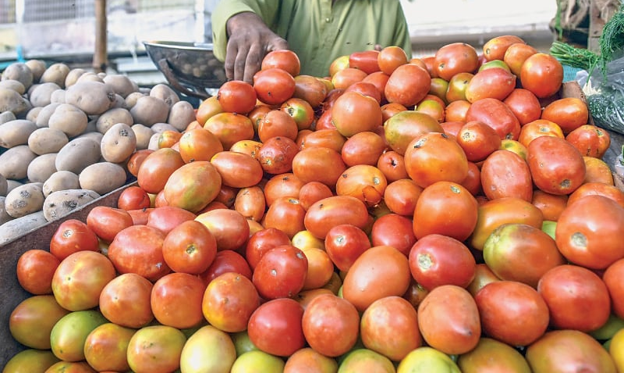
Credit: INP-WealthPk
متعلقہ مضامین