

i INP-WEALTHPK
Climate shocks begin weighing on Pakistan’s economic growth, SBP warnsتازترین
May 18, 2026
By Moaaz Manzoor
Climate-related shocks are increasingly affecting Pakistan’s economic growth, inflation, and fiscal stability, with the State Bank of Pakistan warning that extreme weather events could intensify macroeconomic vulnerabilities in the coming decades.
According to the SBP’s Half Year Report 2025-26, Pakistan remains among the world’s most climate-vulnerable countries despite contributing only a small share to global greenhouse gas emissions.
The report said recent climate events, including floods and temperature shocks, have already had measurable effects on GDP growth, agricultural output and consumer prices.
Flood-related disruptions during FY26 damaged major crops including cotton and maize, while supply-chain interruptions drove higher food inflation during the first half of the fiscal year.
Although recovery efforts helped contain agricultural losses better than initially feared, the central bank said climate-related vulnerabilities remain deeply embedded in Pakistan’s economic structure.
The report highlighted that agriculture, energy, labour productivity and public finances are becoming increasingly exposed to climate risks.
Pakistan’s agriculture sector grew 2.2 percent during H1-FY26, but the overall performance masked substantial damage to important crops caused by floods and erratic weather conditions.
According to the SBP, climate variability is already affecting crop yields, irrigation patterns and food supply chains across the country, creating longer-term risks for food security and inflation management.
Rising temperatures and irregular rainfall patterns are also expected to increase pressure on water availability and agricultural productivity in coming years.
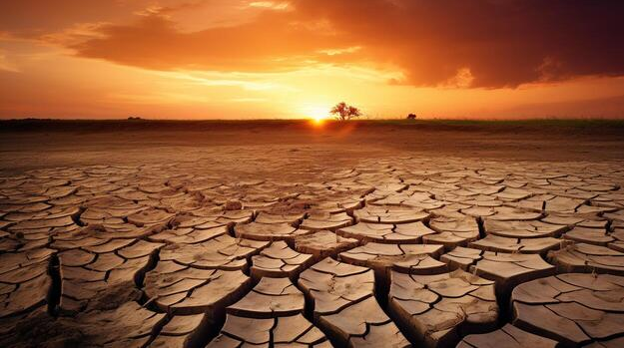
The report further pointed to rising economic losses from floods, heatwaves and droughts, which are occurring with greater frequency and intensity.
Such events not only disrupt agricultural activity but also affect industrial production, transportation networks and labour productivity, creating broader pressure on economic growth.
The impact is also becoming increasingly visible in public finances.
The SBP noted that environmental disasters raise government spending requirements through emergency relief operations, reconstruction costs and subsidy support.
This comes at a time when Pakistan already faces limited fiscal space because of historically high debt-servicing obligations and weak tax revenues, making climate adaptation more difficult.
Climate-related disruptions also complicated inflation management during H1-FY26.
Flood-related supply shortages and lower crop output pushed food inflation higher, while heat-related disruptions impeded logistics, transportation flows and energy demand management.
The report referenced World Bank estimates suggesting climate change could have an increasingly severe impact on Pakistan’s GDP by 2050 if adaptation and mitigation measures remain insufficient.
The report identified weak institutional coordination, implementation gaps, limited technical capacity, and insufficient climate financing as major obstacles slowing effective climate action.
According to the SBP, climate investment requirements remain substantially unmet because of low international climate-finance inflows and underdeveloped domestic financing mechanisms.
The central bank stressed that improving climate resilience will require stronger policy coordination, greater investment in adaptation infrastructure and wider adoption of climate-smart agriculture and renewable energy systems.
The report indicates that climate change is increasingly emerging as a broader macroeconomic and financial-stability challenge because extreme weather events now directly affect growth, inflation, exports, labour productivity and fiscal management.
The SBP warned that failure to address these vulnerabilities could undermine Pakistan’s efforts to achieve sustainable economic growth and long-term macroeconomic stability.
Credit: INP-WealthPk
متعلقہ خبریں