


INP-WealthPk
2,330 Pakistani trucks with rice, mangoes cross into Iran
August 18, 2026
By Abdul Ghani
A total of 2,330 trucks carrying rice and mangoes from Pakistan crossed into Iran through the Gabd and Taftan border points in June-July 2026, underscoring Islamabad’s effort to keep the trade corridor open despite serious security risks in Balochistan.
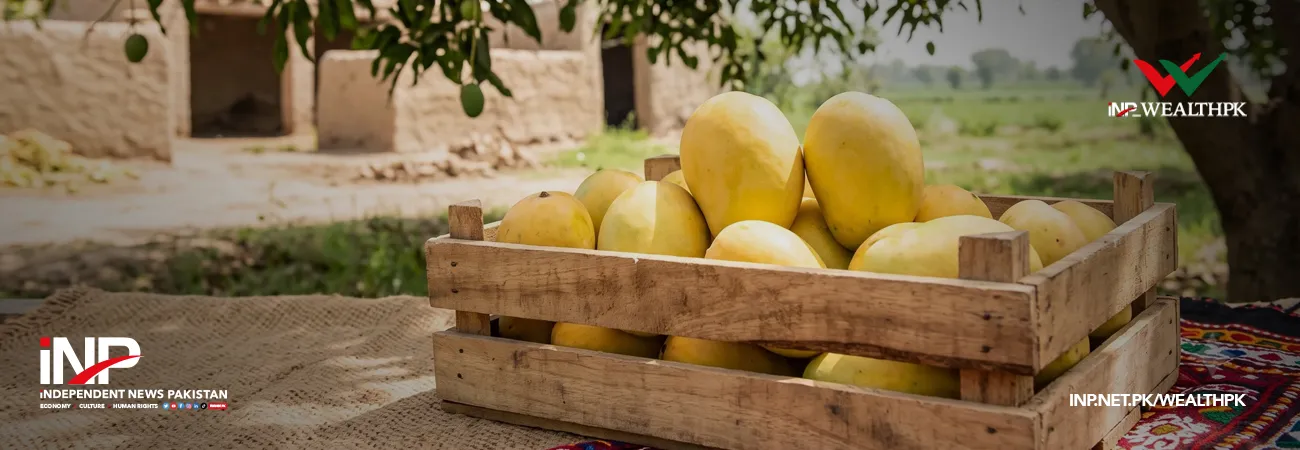
According to the official documents available with Wealth Pakistan, 1,209 trucks carrying rice exports were sent through the Gabd border crossing, while 1,121 trucks carrying mangoes moved through Taftan during the period.
The figures highlight the continued use of the Iran land route for Pakistan’s exports despite serious security challenges in Balochistan.
The document notes that the security situation from Quetta to Taftan remains “very precarious” and cargo vehicles have faced attacks even while travelling in Frontier Corps (FC) convoys.
A waiver has also been granted from the Financial Instrument requirement for imports from Iran and Central Asian countries routed through the Iran corridor.
Similarly, exports of selected items, including food, medicines and tents to Iran and rice exports to Central Asian countries and Azerbaijan through the Iranian land route, have been exempted from the Financial Instrument condition for three months.
The measures aim to ease trade and reduce procedural and financial hurdles for exporters and importers using the Iran corridor.
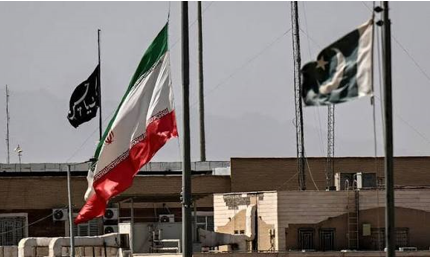
The developments follow the 10th meeting of the Pak-Iran Joint Trade Committee, co-chaired by Pakistan’s federal minister for commerce and Iran’s minister for industry, mine and trade, held in Islamabad from August 3-5, 2026.
During the meeting, customs authorities of both countries agreed to implement necessary arrangements for road transit of goods under TIR Carnets as well as the Online TIR System (E-TIR).
Both sides also agreed to introduce 24/7 customs operations at all customs border crossing points along the Pak-Iran border.
Pakistan and Iran further agreed to take measures to enhance the operational capacity of the Gabd-Rimdan and Taftan-Mirjaveh border crossings.
The two countries also agreed to enhance railway connectivity and air cargo operations, indicating a broader drive to diversify and expand trade routes between Pakistan, Iran and regional markets.
The initiatives advance Pakistan’s efforts to strengthen commercial links with Central Asia, Russia and Azerbaijan, via Iran’s transit corridor.
However, the security situation along the Balochistan route remains a major challenge for the smooth movement of commercial cargo. The official document specifically highlights attacks on cargo vehicles despite security escorts.
The latest measures, including financial exemptions, digital TIR procedures, round-the-clock customs operations and improved border infrastructure, are therefore aimed at making the Iran corridor more efficient and commercially viable for Pakistan’s regional trade.
Credit: INP-WealthPk