


INP-WealthPk
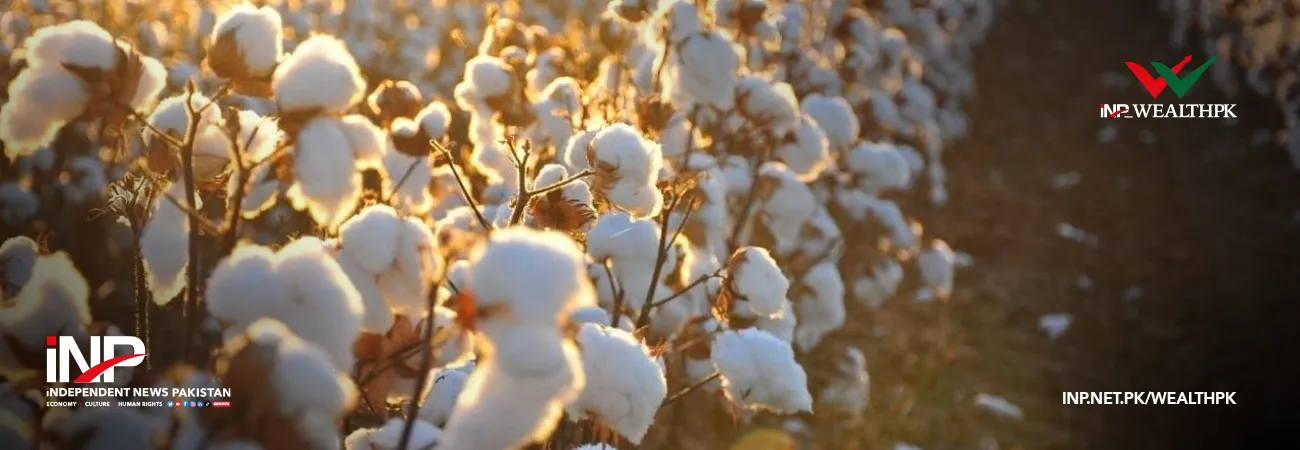
CCRI develops five new climate-resilient cotton varieties
December 02, 2025
Muhammad Luqman
In a bid to reverse the declining trends in cotton production — driven largely by erratic weather patterns — the Central Cotton Research Institute (CCRI) has accelerated its efforts to develop more climate-resilient cotton varieties capable of withstanding temperatures up to 47°C in the plains of Punjab, reports Wealth Pakistan. Pakistan’s cotton output for 2025–26 is estimated at 6.85 million bales, far below the target of 10.18 million bales, indicating a 34% shortfall.
The decline is attributed to climate change, unseasonal rains, floods, and pest infestations such as whitefly and pink bollworm, along with the Cotton Leaf Curl Virus disease. Additional challenges include shrinking cultivated land and deficiencies in seed technology. “We are working on five new varieties with tolerance for heat and drought, and resistance to pests and diseases,” said Sajid Mahmood, Head of Technology Transfer at the Central Cotton Research Institute (CCRI), Multan.
Speaking to Wealth Pakistan, he noted that the CCRI had already developed a variety — Bt Cyto-511 — which recently gained popularity among the farmers in Punjab due to its ability to survive extreme heat, even at 45°C. He added that the upcoming varieties were being designed to withstand temperatures of up to 47°C. Other heat- and drought-tolerant varieties developed by the CCRI so far include Bt CIM-775, Cyto-537, and CIM-343.
“These triple-gene varieties are designed to withstand climate shocks, counter multiple bollworms, resist droughts, and tolerate specific herbicides, which aids in weed control,” Mahmood explained. Discussing changes in the cotton-sowing window in Punjab, Sajid said a decade ago, cotton was typically sown soon after wheat harvest by the end of April. However, due to abnormally high temperatures — ranging between 40°C and 47°C in May — most cotton varieties fail to survive the fruit-shedding stage.
“Now our focus is on developing varieties that can endure extreme heat while maintaining intact flowers and bolls,” the CCRI director said. Alongside heat- and drought-resistant varieties, scientists are also working on developing extra-long staple cotton—up to 34 millimeters — as well as naturally colored cotton varieties, including brown, green, and blue, he said. “But our farmers have not adopted colored or long-staple cotton due to their lower yields,” Mahmood noted.
He said the CCRI had invited several textile companies to cultivate long-staple cotton varieties on their farms through MoUs, but no response had been received so far. Sajid further said that with the signing of an agreement between the Pakistan Central Cotton Committee (PCCC) and the All Pakistan Textile Mills Association (APTMA) a few months ago, the financial constraints hindering the CCRI’s research had begun to ease.
Under the agreement, the APTMA has committed to paying outstanding cotton cess dues to the PCCC, which oversees the Central Cotton Research Institutes in Multan (Punjab) and Sakrand (Sindh). According to the APTMA, the textile mills have been paying Rs50 per 170-kilogram bale of lint as cotton cess to the PCCC for decades.
“Although this is a very small amount, the APTMA members are contributing to research in the cotton sector,” Raza Baqir, Secretary General of the APTMA (Punjab), told Wealth Pakistan. He said APTMA members were now clearing all dues in line with the July agreement with the PCCC.
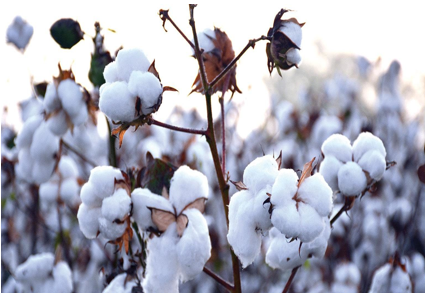
Credit: INP-WealthPk