


INP-WealthPk
Clean water access rises to 22% as sanitation coverage reaches 89% nationwide
January 05, 2026
Ayesha Saba
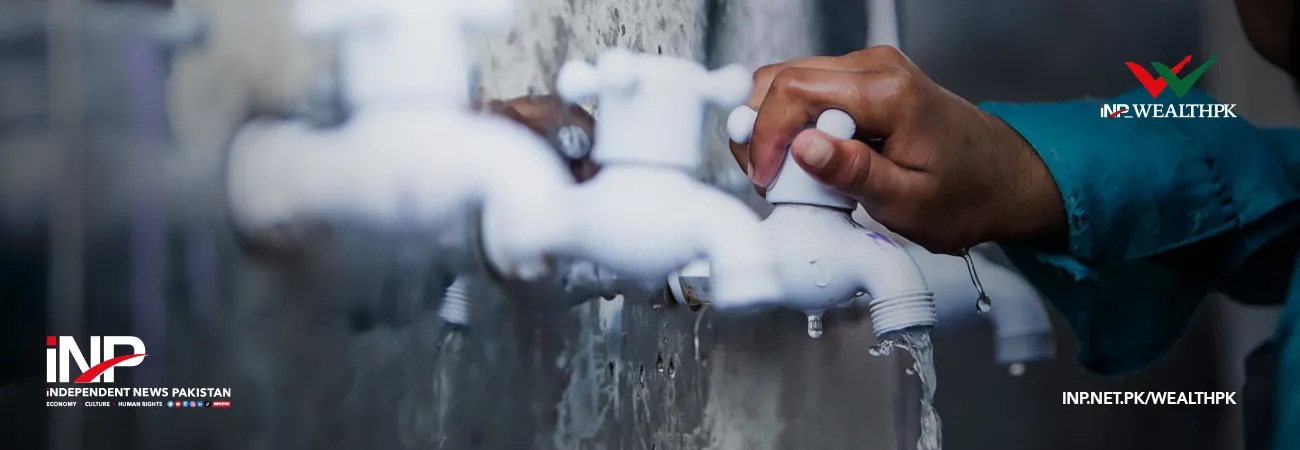
Access to basic household services improved across Pakistan, with the proportion of households using clean drinking water rising to 22 percent and those with access to sanitation facilities increasing to 89 percent, according to the Household Integrated Economic Survey (HIES) 2024–25.
The survey shows that access to tap water rose from 18 percent to 22 percent, while reliance on filtered water sources increased from 9 percent to 10 percent, reflecting gradual improvements in water supply systems. These gains indicate progress in expanding safer water access, particularly in urban and semi-urban areas.
Sanitation conditions also improved markedly during the survey period. The share of households with access to flush toilet facilities increased from 80 percent to 89 percent, while households without any toilet facility declined sharply from 12 percent to 7 percent, highlighting significant gains in basic sanitation coverage.
Energy access also showed positive movement. The use of clean cooking fuels, including natural gas, LPG, solar energy, electricity and biogas, increased from 35 percent to 38 percent, indicating a gradual transition away from traditional solid fuels. In addition, 96 percent of households reported access to electricity or other modern lighting sources, underscoring near-universal coverage.
The survey further notes a rise in the use of renewable and alternative energy sources, including solar power, reflecting expanding energy diversification at the household level. Improved access to clean energy contributes to better health outcomes by reducing indoor air pollution and lowering reliance on traditional fuels.
The HIES 2024–25, conducted as Pakistan’s first fully digital household survey, provides comprehensive insight into living conditions across the country. The findings highlight steady progress in water, sanitation and energy access, while also pointing to the need for continued investment to ensure equitable service delivery across regions.
Credit: INP-WealthPk