INP-WealthPk

Climate, energy account for major share of 2024-25 project commitments
February 26, 2026
Farooq Awan
Climate-related initiatives and the energy sector accounted for the largest share of project financing commitments secured during July–June 2024-25, according to the Annual Report on Foreign Economic Assistance issued by the Ministry of Economic Affairs.
Out of the total US$ 10,643 million in new commitments signed during the fiscal year, US$ 2,706 million was allocated specifically for project financing. The report provides a sector-wise breakdown of this project financing component, reflecting the government’s development priorities during the year under review.
According to the sectoral distribution presented in the report, 50% of project financing commitments were directed toward environment, climate change and resilience initiatives. This category represented the single largest allocation within project financing during 2024-25.
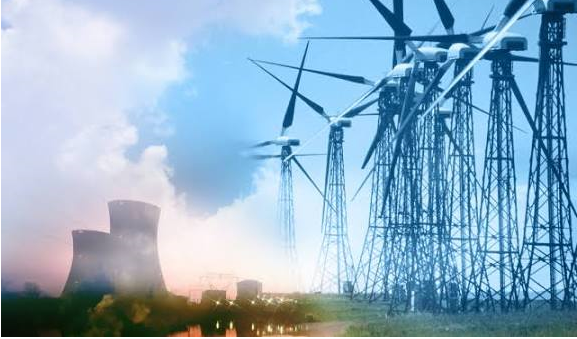
The energy sector accounted for 20% of total project financing commitments. Funds committed under this sector were aimed at supporting power generation, transmission and related infrastructure development projects.
Transport and communication received 12% of the project financing commitments. The allocation for this sector was intended to support infrastructure development and connectivity-related initiatives.
Agriculture, education and the social sector/human development each accounted for 5% of project financing commitments. These allocations were directed toward sector-specific development projects under federal and provincial execution frameworks.
The health sector received 2% of the total project financing commitments during the fiscal year, while water-related projects accounted for 1%.
The report states that sectoral composition of project financing reflects the priority development objectives of the government during 2024-25. Project financing is obtained to fund socio-economic and infrastructure development initiatives approved by competent authorities, including CDWP and ECNEC.
The Ministry of Economic Affairs records project financing commitments after the signing of financing instruments with development partners, following consultations with relevant executing agencies and divisions. These commitments are expected to be disbursed over the execution period of the respective projects, which may extend over multiple years.
The Annual Report on Foreign Economic Assistance 2024-25 notes that the sectoral distribution of project commitments forms part of the broader external financing portfolio and mirrors the development priorities pursued during the fiscal year.
The concentration of half of total project financing in environment, climate change and resilience, along with significant commitments to energy and transport sectors, highlights the sectoral pattern of project-based foreign economic assistance agreements signed during July–June 2024-25.
Credit: INP-WealthPk