


INP-WealthPk
Economy shows stabilisation as inflation eases, industry rebounds and remittances strengthen
December 19, 2025
Farooq Awan
Pakistan’s economy showed broad-based signs of stabilisation during the first five months of FY 2025-26, driven by moderating inflation, improved industrial output, stronger revenue mobilisation and sustained remittance inflows, according to the Monthly Development Update – December 2025 released by the Ministry of Planning, Development and Special Initiatives.
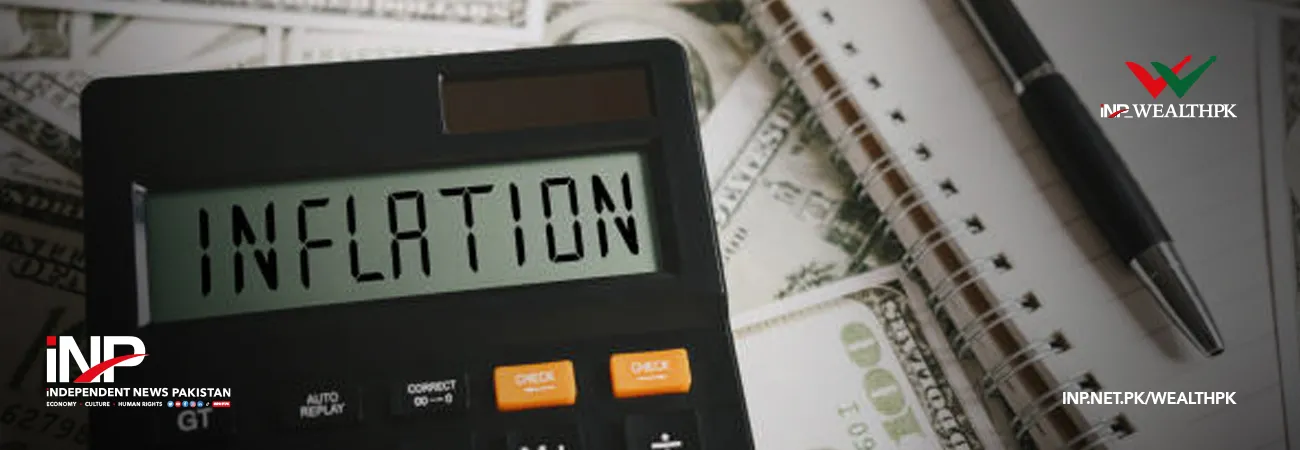
The report states that inflation averaged 5.0 percent during July–November FY26, down sharply from 7.9 percent in the corresponding period of last year. The decline, according to the Ministry, reflects the impact of prudent macroeconomic management, administrative actions and targeted government relief measures. However, it highlights that temporary disruptions caused by flooding led to a rise in monthly inflation to 6.1 percent in November.
Industrial activity recorded a notable upswing during the period. Large-Scale Manufacturing (LSM) grew by 4.1 percent, signalling renewed momentum in major industrial segments. The report notes that this improvement reflects higher demand for raw materials and fuel, alongside improved supply stability and favourable production conditions compared to last year.
On the fiscal front, the Ministry reports that the Federal Board of Revenue collected Rs4,733.7 billion during July–November, reflecting a 10.2 percent year-on-year increase. According to the document, revenue growth has maintained a steady trajectory due to ongoing reform efforts, improved enforcement and better compliance mechanisms across key sectors.
The external sector exhibited mixed trends. Goods exports fell by 3.2 percent to $12.8 billion, compared with $13.2 billion last year, mainly due to a decline in the food group, particularly rice exports, which dropped by 44 percent. In contrast, services exports showed strong performance. Information technology exports surged by 19 percent, reaching $1.8 billion during the period. Imports increased due to rising industrial activity, higher capital goods procurement and the government’s trade liberalisation measures.
Remittances remained a critical source of external support. Inflows rose to $16.1 billion during July–November FY26, showing a 9.3 percent increase from the previous year. The Ministry notes that remittances continued to play an important role in strengthening the external sector and improving foreign exchange inflows during the review period.
The report highlights that financial markets also demonstrated resilience, with gains in the KSE-100 Index and expanding credit flows, particularly to agriculture. It states that these developments reflect improved investor sentiment supported by stable macroeconomic conditions.
Overall, the update concludes that Pakistan’s macroeconomic landscape during the review period remains stable, supported by fiscal discipline, moderating inflation, recovering industrial output, resilient remittance inflows and stable financial markets, while noting that pressures from supply constraints continue to weigh on goods exports.

Credit: INP-WealthPk