


INP-WealthPk
Energy costs and taxes remain key constraints on Pakistan’s textile exports
January 26, 2026
Qudsia Bano
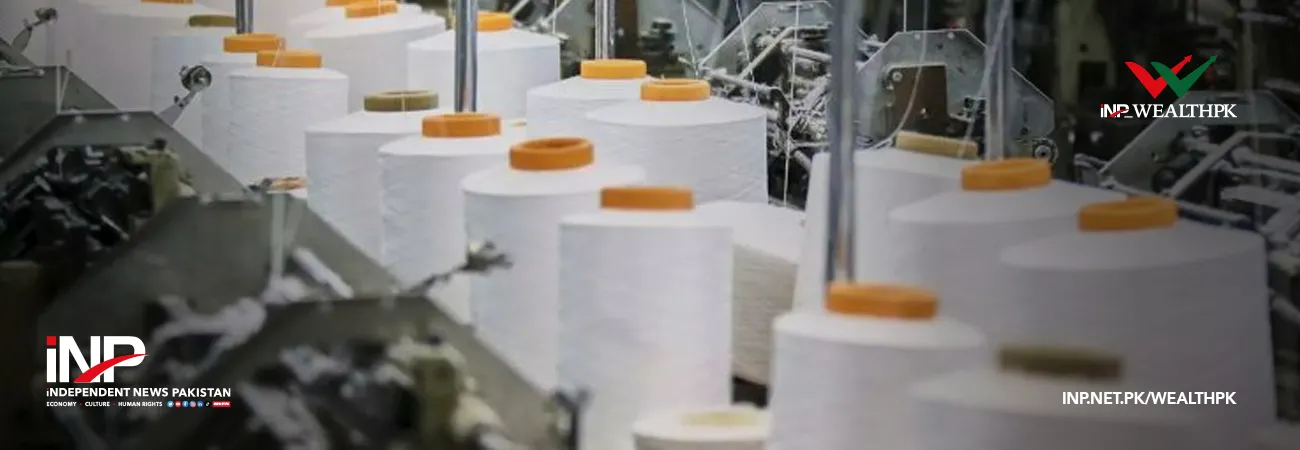
High energy costs and taxation issues continued to pose major challenges to Pakistan’s textile export sector during the first half of fiscal year 2025–26, according to observations documented in the Pakistan Textile Council’s (PTC) half-yearly report. The report highlights that despite marginal growth in textile exports during July–December FY26, exporters continued to face cost-related pressures that affected competitiveness.
Textile exports increased by 1 percent year-on-year to $9.19 billion during the period, but the PTC noted that high energy tariffs and tax-related issues remained significant constraints for the sector. According to the PTC, energy costs accounted for a substantial share of production expenses for textile manufacturers and exporters.
The report documents that electricity and gas tariffs in Pakistan remained higher than those of regional competitors during the review period, adding to operational costs across spinning, weaving, processing, and garment manufacturing segments. The council’s assessment indicates that energy pricing continued to impact exporters across both value-added and primary textile segments.
While value-added exports rose by 3 percent to $7.70 billion during the first half of FY26, primary textile exports declined by 10 percent to $1.49 billion, with cost pressures cited among the challenges faced by the industry. The report also refers to taxation-related issues affecting exporters. According to the PTC, the existing tax structure contributed to liquidity constraints for textile exporters during the period under review.
The report documents exporters’ concerns regarding refunds, working capital requirements, and the overall tax compliance burden. Despite the textile sector accounting for 61 percent of Pakistan’s total exports during July–December FY26, the PTC noted that cost-related constraints limited the sector’s ability to achieve stronger growth. The report states that these challenges persisted even as demand conditions and product performance varied across different export categories.
The PTC data shows that apparel-led segments, including garments and non-knit apparel, recorded growth during the period, while other segments, such as made-ups and primary textiles, declined. The report places these mixed outcomes within the broader context of production and cost challenges faced by the industry.
According to the council’s half-yearly review, the continuation of high energy tariffs and tax-related issues were among the structural constraints affecting the textile sector during FY26. The report documents these challenges as part of its overview of the sector’s performance without attributing specific quantitative impacts or projecting future outcomes.
The PTC’s assessment outlines the cost-related environment in which textile exporters operated during the first half of FY26, based strictly on reported observations and sectoral data. It does not include policy prescriptions or forward-looking analysis beyond noting the issues identified by the industry.
The report concludes its discussion of cost constraints by reiterating that energy pricing and taxation remained key factors influencing textile export performance during July–December FY26, as reflected in the sector’s overall export outcomes.

Credit: INP-WealthPk