



INP-WealthPk

G20 borrowing-cost warning puts Pakistan’s debt refinancing risks in spotlight
September 24, 2026
By Muhammad Zulqarnain
A fresh warning from G20 finance leaders over rising global borrowing costs has put Pakistan’s refinancing risks in focus, as higher international yields threaten to raise the cost of future external borrowing despite an improving reserve position and continued IMF support.
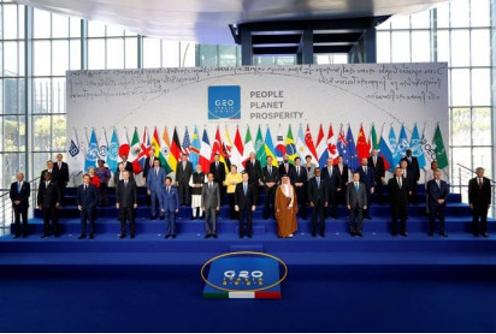
IMF Managing Director Kristalina Georgieva warned at the latest G20 finance leaders’ meeting that rising bond yields and public debt in advanced economies could undermine debt stability in developing countries.
For Pakistan, the warning is particularly relevant because the country continues to rely on bilateral rollovers, official financing and periodic access to international capital markets to manage its external obligations.
Former Governor of State Bank of Pakistan Dr Ishrat Husain told Wealth Pakistan that Pakistan’s external debt and liabilities had reached $139 billion, while several indicators of debt-servicing capacity had deteriorated.
He noted that external debt servicing had risen from 1.7% to 4% of GDP and from 18% to 44% of exports of goods and services, indicating that a growing share of the country’s economic output and export earnings was being absorbed by external repayments.
Higher global yields increase the benchmark cost of issuing Eurobonds and Sukuk, while stronger returns in advanced economies can weaken investor appetite for riskier assets. For Pakistan, this could make international market financing more expensive and increase reliance on official creditors and foreign-exchange reserves.
Pakistan has a financing cushion through its ongoing $7 billion IMF programme and an improved reserve position. In May 2026, the IMF approved access to approximately $1.32 billion, comprising about $1.1 billion under the Extended Fund Facility and $220 million under the Resilience and Sustainability Facility.
However, IMF support does not eliminate the underlying risks associated with Pakistan’s reliance on bilateral rollovers, official financing and periodic access to international bond markets. Any significant increase in the energy import bill could further constrain reserves available for meeting external obligations.
Speaking to Wealth Pakistan, Maryam Ayub, Research Economist at the Policy Research Institute of Market Economy (PRIME), said higher global borrowing costs could affect Pakistan through several interconnected channels.
“Pakistan continues to rely on foreign rollovers and periodic access to international capital markets. Higher global benchmark yields increase the cost of issuing Eurobonds and Sukuk, while any increase in Pakistan’s sovereign-risk premium compounds that cost,” she said.
Ayub explained that expensive or restricted market financing could force Pakistan to depend more heavily on foreign-exchange reserves and official creditors to meet its external obligations.
That option would become more difficult if rising fuel and energy imports placed additional pressure on external liquidity, she said.
Higher returns in advanced economies could also reduce the relative attractiveness of Pakistani assets and create further pressure on the rupee.
As most of Pakistan’s external debt is denominated in foreign currencies, rupee depreciation increases its domestic-currency servicing cost even when the foreign-currency value of the debt remains unchanged, Ayub explained.
“Pakistan’s IMF programme and improved reserve position provide some protection, but they do not eliminate the underlying vulnerability,” she said.
“Sustained fiscal discipline, stronger exports and greater domestic resource mobilisation are needed to reduce reliance on increasingly expensive external financing,” she added.
Husain said Pakistan should lower its interest and refinancing costs by prioritising concessional financing and extending debt maturities.
He also called for faster growth in exports, investment, productivity and foreign-exchange earnings, alongside lower current-account deficits, to improve the country’s capacity to absorb external shocks.
The G20’s efforts to improve coordination among official creditors and strengthen its Common Framework could support countries already facing severe debt distress, Husain told Wealth Pakistan.
Pakistan’s immediate priority, however, should be to avoid reaching the stage where formal restructuring becomes necessary by managing maturities and arranging predictable financing well in advance, he said.
Credit: INP-WealthPk
Related Articles