



INP-WealthPk
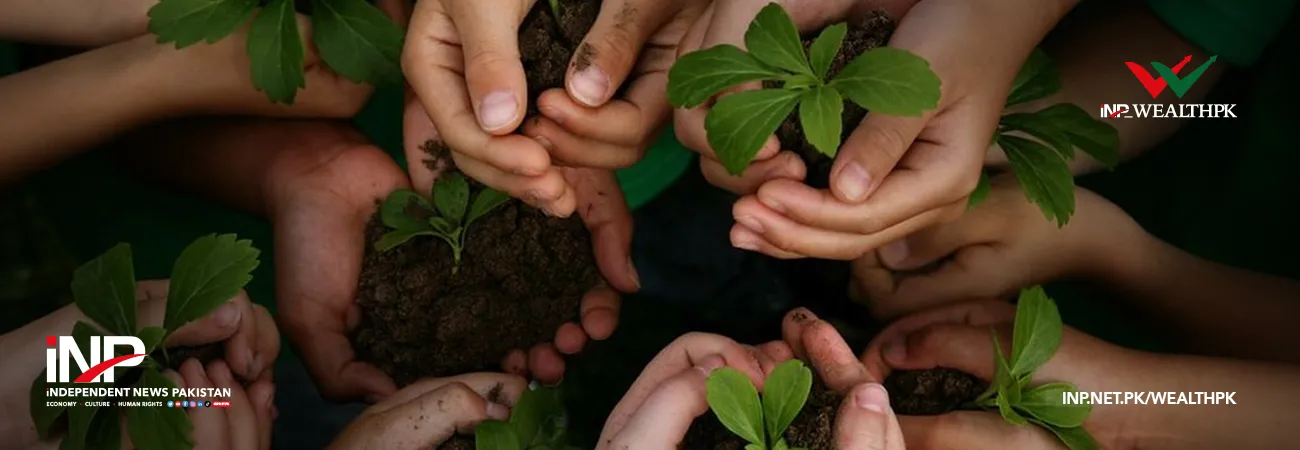
Green Pakistan programme plants 2.26 billion saplings
June 15, 2026
By Farooq Awan
Pakistan has planted, regenerated or distributed nearly 2.26 billion plants under the Green Pakistan Programme, marking one of the country's largest afforestation efforts aimed at combating climate change, restoring ecosystems and improving environmental sustainability, according to the Pakistan Economic Survey 2025-26.
The survey highlights tree plantation as a key component of Pakistan's environmental strategy as the country faces increasing challenges from climate change, rising temperatures, floods, droughts and land degradation.
According to the report, the Green Pakistan Programme has achieved the plantation, regeneration or distribution of nearly 2.26 billion plants across the country through federal and provincial forestry programmes.
The large-scale plantation effort forms part of broader initiatives to increase forest cover, restore degraded landscapes and strengthen climate resilience.
Pakistan remains among the world's most climate-vulnerable countries despite contributing only a small share of global greenhouse gas emissions. The survey notes that environmental degradation and extreme weather events continue to pose risks to agriculture, water resources, infrastructure and livelihoods.
Tree plantation programmes are increasingly being viewed as an important tool for addressing these challenges. Forests help absorb carbon dioxide, improve air quality, conserve biodiversity and reduce soil erosion.
According to the survey, afforestation also contributes to watershed protection and groundwater recharge, supporting long-term water security in many regions of the country.
The report notes that expanding forest resources is particularly important because forests currently cover only about 4.7% of Pakistan's total land area.
Increasing tree cover can improve ecosystem health and enhance the country's ability to adapt to climate-related risks.
Many plantation activities have been carried out through collaboration between the Ministry of Climate Change and Environmental Coordination and provincial and territorial governments.
According to the report, climate adaptation and environmental protection have become increasingly important policy priorities following repeated climate-related disasters in recent years.
The devastating floods of 2022 demonstrated the need for stronger environmental management and ecosystem restoration measures to reduce vulnerability to extreme weather events.
The survey notes that forests and tree cover can play a vital role in reducing disaster risks by stabilizing soils, regulating water flows and mitigating the impacts of floods and landslides.
Pakistan has also incorporated forestry and ecosystem restoration into its broader climate commitments and sustainable development goals.
According to the Ministry of Finance, continued investment in afforestation and natural resource management will remain essential for achieving environmental sustainability and strengthening climate resilience.
The report emphasizes that tree plantation efforts must be accompanied by measures to protect existing forests and ensure the survival and growth of newly planted saplings.
With nearly 2.26 billion plants planted, regenerated or distributed under the Green Pakistan Programme, the country has significantly expanded its afforestation efforts while pursuing long-term goals related to climate action, environmental conservation and sustainable development.
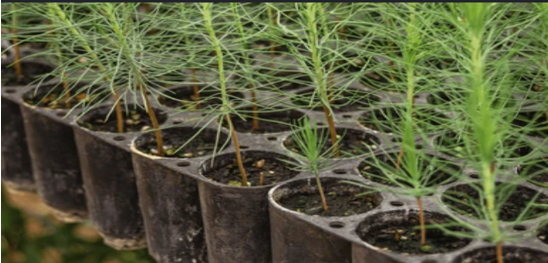
Credit: INP-WealthPk
Related Articles