


INP-WealthPk

HIES tracks Pakistan’s progress across 31 SDG indicators
January 05, 2026
Ayesha Saba
Pakistan has recorded measurable progress across 31 Sustainable Development Goal (SDG) indicators, reflecting steady improvements in social, economic and human development outcomes, according to the Household Integrated Economic Survey (HIES) 2024–25.
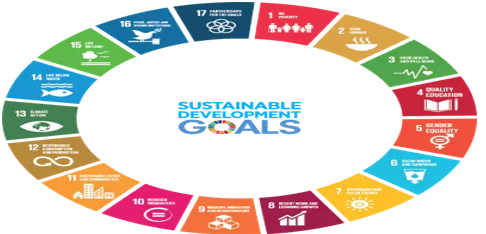
The survey, conducted by the Pakistan Bureau of Statistics, assessed national performance across key SDG areas, including education, health, water and sanitation, energy access, gender equality, and living standards. The findings indicate broad-based improvements across multiple sectors, supported by gradual gains in service delivery and household well-being.
In the education sector, progress was recorded under SDG 4, with the literacy rate rising to 63 percent, while enrolment improved at primary, middle and secondary levels. Gender parity in education was also strengthened, reflecting narrowing gaps between male and female participation across schooling stages.
Health-related indicators under SDG 3 showed notable improvement. The infant mortality rate declined to 47 per 1,000 live births, while the neonatal mortality rate fell to 35 per 1,000. Coverage of maternal health services expanded, with skilled birth attendance reaching 84 percent, alongside increased access to antenatal care and immunisation services.
Progress was also recorded under SDG 5, which focuses on gender equality. The proportion of women able to make informed decisions regarding reproductive health rose to 56 percent, indicating enhanced autonomy and access to healthcare information and services.
In terms of basic services, indicators linked to SDG 6 showed improvements in water and sanitation. Access to improved drinking water rose to 22 percent, while sanitation coverage increased to 89 percent, reflecting expanded infrastructure and service delivery. Under SDG 7, the use of clean energy sources such as gas, electricity and biogas increased to 38 percent, highlighting progress toward cleaner household energy use.
The survey also captured advancements related to SDG 1 and SDG 10, with higher income levels and improved household living conditions. Rising household incomes and better access to essential services contributed to broader social inclusion and reduced vulnerability among households.
Conducted as Pakistan’s first fully digital household survey, the HIES 2024–25 provides a comprehensive evidence base for tracking progress toward national and global development targets. The findings offer policymakers critical insights for aligning future strategies with the Sustainable Development Goals and addressing remaining gaps across regions and population groups.
Credit: INP-WealthPk