



INP-WealthPk

Inflation peak of 29% reflected in prolonged real income compression during FY2019–FY2025
February 26, 2026
Farooq Awan
Pakistan experienced prolonged real income compression between FY2019 and FY2025, with inflation peaking at 29% in 2022-23, according to the Preliminary Report on Poverty Estimation 2024-25 issued by the Ministry of Planning, Development and Special Initiatives.
The report documents sustained inflationary pressures during the review period and presents data showing that although nominal household incomes increased, real consumption levels declined due to cumulative price increases.
Inflation reached its highest level of 29% in 2022-23, significantly affecting purchasing power across households. The document states that successive years of elevated price growth eroded real incomes despite nominal earnings growth.
The poverty estimation framework incorporates these inflation trends by adjusting consumption expenditure using updated price indices. The national poverty line for FY2024-25 was set at Rs8,483 per adult equivalent per month, reflecting revised consumption baskets and price changes.
The report indicates that the erosion in real household consumption played a central role in the rise of poverty during the six-year period. While nominal values of income and expenditure increased, inflation-adjusted consumption declined, contributing to changes in welfare outcomes.
Data presented in the report show that real household consumption growth slowed during the review period, particularly during years of elevated inflation. The cumulative impact of price increases reduced effective purchasing capacity.
The document further notes that macroeconomic conditions between 2019 and 2025 included price volatility and shifts in consumption patterns. These developments were incorporated into poverty and inequality calculations using Household Integrated Economic Survey (HIES) data.
The assessment applies adult equivalence scales and regional price adjustments to measure consumption expenditure consistently across provinces and regions. Inflation adjustments were made using official consumer price indices to ensure comparability with previous survey rounds.
The report does not disaggregate inflation effects by income group but states that real income compression occurred during the period under review. The peak inflation year of 2022-23 is highlighted as a significant point in the price trajectory during FY2019–FY2025.
By FY2024-25, inflation had moderated compared to its peak; however, the cumulative effect of previous years’ price increases remained evident in consumption and poverty outcomes.
The Preliminary Report on Poverty Estimation 2024-25 presents inflation and real income trends as integral components of the poverty estimation framework, documenting measurable real income compression during the six-year assessment period.
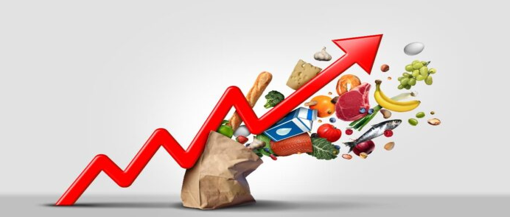
Credit: INP-WealthPk
Related Articles