INP-WealthPk

Monitoring, evaluation framework strengthened to ensure effective reform delivery
January 05, 2026
Ayesha Saba
The government has placed strong emphasis on strengthening monitoring, evaluation and implementation mechanisms to ensure effective execution of the Prime Minister’s Economic Governance Reforms (PM-EGR), according to an official document released by the Finance Division.
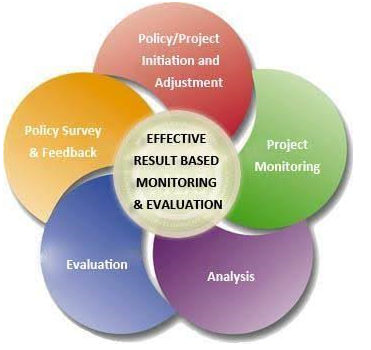
The reform framework recognises that successful policy outcomes depend not only on sound design but also on effective implementation, continuous monitoring and timely corrective action. To address longstanding gaps in execution, the government has introduced a structured framework aimed at tracking progress, measuring performance and ensuring accountability across all reform areas.
A key component of the framework is the introduction of clear performance indicators and measurable targets for each reform initiative. These key performance indicators (KPIs) are designed to track progress objectively, assess outcomes and identify implementation gaps at an early stage. The use of measurable benchmarks is intended to strengthen transparency and enable evidence-based decision-making.
The reforms also place strong emphasis on regular reporting and review mechanisms. Ministries and implementing agencies will be required to submit periodic progress reports against agreed targets, enabling central authorities to monitor implementation status and address bottlenecks in a timely manner. This structured reporting system aims to ensure consistency, accountability and transparency in the execution of reform initiatives.
To enhance oversight, the framework introduces strengthened monitoring arrangements at both the ministerial and central levels. Dedicated oversight units are tasked with reviewing implementation progress, analysing performance data and coordinating corrective actions where necessary. This multi-tiered monitoring approach is designed to ensure that reforms remain on track and aligned with policy objectives.
The document also highlights the importance of data-driven evaluation in assessing the effectiveness of reforms. Improved data collection, management and analysis systems are being developed to support evidence-based assessments of policy outcomes. These systems will enable decision-makers to evaluate the impact of reforms and make informed adjustments where required.
Capacity building forms an integral part of the monitoring and evaluation framework. Training programmes are planned to strengthen analytical skills, monitoring techniques and evaluation capabilities within government institutions. Enhancing institutional capacity is seen as essential for sustaining effective oversight and ensuring continuous improvement.
According to the Finance Division, robust monitoring and evaluation mechanisms are critical to translating policy commitments into tangible results. By strengthening implementation oversight, improving data quality and enhancing accountability, the government aims to ensure that economic governance reforms deliver measurable outcomes and long-term benefits for the economy and society.
Credit: INP-WealthPk