


INP-WealthPk
Non-fossil energy share climbs 49pc over three years in Pakistan
November 18, 2025
Abdul Ghani
Pakistan’s renewable and non-fossil energy supplies expanded sharply by 49 percent between fiscal years 2021 and 2024, as the country accelerated the deployment of hydropower, nuclear, and solar energy projects to offset declining fossil fuel availability and manage foreign exchange pressures. The steady rise of clean energy sources has started to reshape the country’s energy mix, which remains under stress from high import costs, gas shortages, and tariff-driven demand contraction.
According to the Pakistan Energy Market Review 2025 by Renewables First, Pakistan’s total non-fossil energy supplies increased from 11 million tonnes of oil equivalent (Mtoe) in FY21 to 17 Mtoe in FY24, marking the fastest growth among all components of the country’s energy portfolio. Hydel, nuclear, and renewable power collectively contributed around 21 percent of the country’s primary energy supply in FY24, compared to just 13 percent three years earlier.
This transition has been accelerated by high international oil and gas prices, shrinking natural gas reserves, and widespread adoption of distributed solar energy systems. The review noted that the continued expansion of hydropower has been a key factor in the increase of clean energy’s share. Major projects such as Tarbela 5th Extension, Neelum-Jhelum, and K-2 and K-3 nuclear units contributed significantly to the non-fossil supply stream, while several small- and medium-scale hydel stations added incremental capacity.
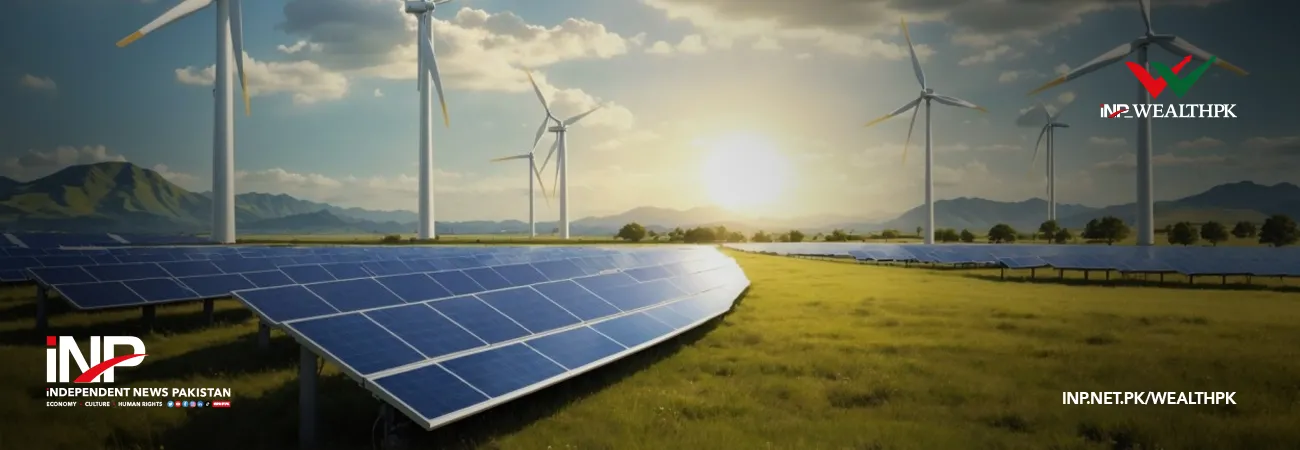
Nuclear generation from the Karachi-based K-2 and K-3 reactors operated at high capacity during FY24, improving supply stability and reducing dependency on imported fuels. Solar and wind energy growth, although from a smaller base, has been particularly dynamic in both grid and off-grid segments. The report said that rising grid tariffs, foreign exchange shortages, and falling solar panel prices have spurred widespread consumer adoption of rooftop solar systems across urban centers and agricultural areas.
Net-metering policies and zero customs duty on solar imports have encouraged individuals, businesses, and institutions to invest in self-generation systems. The review observed that solar energy has become a practical alternative to expensive grid and gas-based electricity, especially after the successive tariff hikes implemented under the IMF-backed energy reform program.
The government’s facilitation of net-metered connections and the availability of commercial financing for solar equipment have accelerated adoption among middle- and upper-income households. In the agricultural sector, solar-powered tube wells and irrigation pumps have been replacing diesel and grid electricity, reducing costs and improving energy reliability. At the industrial level, large manufacturers are increasingly integrating renewable energy systems into their operations.
Textile mills, cement plants, and export units have installed captive solar capacity to ensure business continuity during gas shortages and avoid expensive diesel backup. This trend has also led to a partial decoupling of industrial activity from the state grid and gas pipeline networks. The report underlined that distributed solar generation is now beginning to form a structural component of Pakistan’s energy landscape, reshaping both consumption patterns and revenue streams for utilities.
The data showed that as renewable and nuclear generation expanded, the contribution of fossil fuels to the national energy supply declined. Natural gas supplies fell by 13 percent between FY20 and FY24, while coal’s share slipped from 19 percent to 15 percent over the same period. Oil supplies also decreased 16 percent year-on-year in FY24 as refinery intake declined due to weak demand and limited foreign exchange availability.
The rising contribution of cleaner energy has therefore helped offset fossil fuel shortages and mitigated some of the fiscal stress from volatile global commodity prices. The growing role of renewable and non-fossil energy represents a crucial shift toward energy security and sustainability. However, they cautioned that Pakistan still lacks a coordinated policy framework for integrating distributed generation into the national grid and balancing variable renewable output with demand.
There is a need for stronger regulatory mechanisms, investment in transmission upgrades, and incentives for energy storage technologies to ensure reliable and stable operation of a renewables-heavy system. The report also highlighted that despite rapid progress, Pakistan’s renewable capacity remains small compared to potential.
Solar irradiation levels across most of the country rank among the highest in Asia, offering ample opportunity for further expansion. Similarly, hydel resources in the northern and northwestern regions and wind corridors in Sindh and Balochistan could support far greater output with appropriate investment and planning. According to the Pakistan Energy Market Review 2025 by Renewables First, the rapid rise in non-fossil energy sources demonstrates Pakistan’s ability to adapt to fiscal and supply constraints through structural change.
The continued expansion of hydropower, nuclear generation, and distributed solar systems is expected to form the backbone of the country’s future energy strategy. While economic pressures have slowed overall energy demand, they have simultaneously accelerated the clean energy transition, placing Pakistan on a gradual but irreversible path toward a more sustainable power mix.
Credit: INP-WealthPk