


INP-WealthPk
Out-of-school children decline from 38pc to 28pc in FY2025-26
June 15, 2026
By Moaaz Manzoor
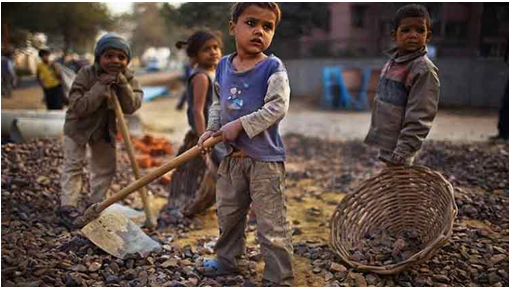
Pakistan reduced the proportion of out-of-school children from 38% to 28% in FY2025-26, marking a significant improvement in school participation and access to education across the country, according to the Pakistan Economic Survey 2025-26 released by the Ministry of Finance.
The survey highlights education as a key area of social development, with improvements recorded in school enrolment, literacy and access to learning opportunities despite ongoing demographic, financial and infrastructure challenges.
According to the survey, the decline in out-of-school children represents one of the most notable achievements in the education sector during the fiscal year. The improvement reflects efforts by federal and provincial governments to expand educational access, strengthen enrolment campaigns and improve the availability of schooling facilities.
The reduction is particularly significant given Pakistan's rapidly growing population and the longstanding challenge of bringing millions of children into the formal education system.
The survey notes that the country's literacy rate also improved, reaching 63% compared with 61% recorded in the previous survey. Male literacy increased to 73%, while female literacy rose to 54%, indicating gradual progress in narrowing educational disparities.
Provincial data included in the survey shows varying levels of improvement across the country. Balochistan recorded one of the most notable reductions in the proportion of out-of-school children, although the province continues to face significant educational challenges compared with national averages.
According to the survey, efforts to improve enrolment have been supported by expanded educational programmes, school infrastructure development, teacher recruitment initiatives and targeted interventions aimed at increasing participation among disadvantaged groups.
The education sector remains a critical component of Pakistan's long-term development strategy because of its direct relationship with human capital formation, productivity growth, employment opportunities and poverty reduction.
The survey highlights that Pakistan's population reached approximately 252.09 million during FY2025-26, with children and young people accounting for a substantial share. This demographic reality places increasing pressure on educational institutions and underscores the importance of expanding access to quality education.
According to the Ministry of Finance, improving educational outcomes remains essential for achieving sustainable economic growth and enhancing the country's competitiveness in an increasingly knowledge-based global economy.
The survey notes that government spending on education continued through both federal and provincial programmes. Various initiatives focused on improving school infrastructure, increasing enrolment, enhancing teacher capacity and strengthening learning outcomes.
At the higher education level, the Higher Education Commission continued supporting universities and research institutions across the country. The survey highlights ongoing efforts to improve access to higher education, promote research and strengthen academic quality.
Technical and vocational education also remained a focus during the fiscal year. Programmes implemented through institutions such as the National Vocational and Technical Training Commission sought to enhance employability and equip young people with market-relevant skills.
The survey further notes that digital technologies are playing an increasingly important role in expanding access to education. Online learning platforms, digital content and technology-enabled training programmes have helped broaden learning opportunities for students and professionals.
According to the report, improvements in literacy and school participation contribute directly to broader social and economic development objectives. Better educational outcomes are associated with higher productivity, improved labour market participation, stronger social mobility and greater economic inclusion.
Despite the progress achieved during FY2025-26, the survey acknowledges that significant challenges remain. Millions of children remain outside the formal education system, while issues related to school infrastructure, learning quality, regional disparities, and resource constraints continue to affect educational performance.
The report notes that sustained investment in education, continued enrolment efforts and improved educational quality will remain critical for maintaining progress and ensuring that a larger share of Pakistan's young population gains access to learning opportunities.
The reduction in out-of-school children from 38% to 28% nevertheless represents a notable step forward in expanding educational access and strengthening human capital development, which remains central to Pakistan's long-term economic and social progress.
Credit: INP-WealthPk
Related Articles