INP-WealthPk
Pakistan eyes donkey meat, hide exports to China
June 15, 2026
By Ayesha Saba
Pakistan is positioning itself to tap a new export market in China through the trade of donkey meat, hides and related products, with the government identifying the sector as a potential avenue for export diversification and rural income generation, according to the Pakistan Economic Survey 2025-26.
The survey highlights the development under a dedicated section titled "New Export Avenue for Donkey Meat and Other Products", reflecting growing official interest in the sector amid rising demand from the Chinese market.
According to the survey, Pakistan has signed sanitary protocols with China to facilitate the export of donkey meat, hides and other related products. The agreements are expected to help Pakistani exporters access a niche but expanding market in China.
The report notes that demand is being driven by donkey meat, milk and Eijiao, a gelatin valued in China for its nutritional and medicinal properties.
To support the emerging trade, authorities have approved additional processing capacity. The survey states that a license has been granted to M/s Shahzad and Shao to establish a donkey slaughterhouse in the Gwadar Free Zone.
With the new approval, two companies are now licensed to participate in the trade, including M/s Hangeng Trade, which had already received permission for similar activities.
The development forms part of broader efforts to diversify Pakistan's export basket beyond traditional products such as textiles, rice and leather goods.
The survey notes that livestock remains a major pillar of the rural economy. The livestock sector contributes 62.45% to agriculture and 14.64% to Pakistan's GDP, and grew by 3.75% in 2025-26. New export opportunities linked to livestock products can provide additional income streams for farmers and livestock owners, particularly in rural areas.
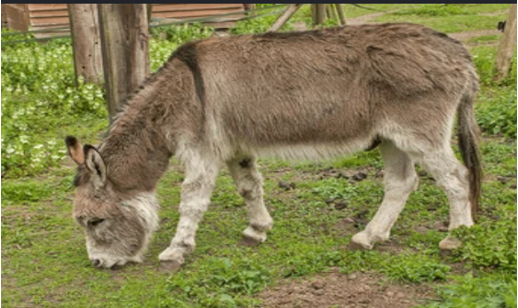
Pakistan's donkey population was estimated at 6.2 million in 2025-26, up from 6.0 million in 2024-25 and 5.9 million in 2023-24, creating a potential supply base for the emerging export segment. The survey suggests that value-added livestock exports could help generate foreign exchange earnings while encouraging investment in animal husbandry and processing facilities.
China has been identified in the survey as one of the high-growth markets for Pakistan's livestock and meat exports. The opening of new agricultural and livestock export channels is expected to strengthen economic cooperation between the two countries and broaden the scope of bilateral trade.
The report emphasizes that export diversification remains an important objective for Pakistan as it seeks to reduce dependence on a limited range of export products and improve resilience against fluctuations in global markets.
As demand for specialized livestock products grows in international markets, the survey identifies donkey meat and hide exports as a niche sector with the potential to create new business opportunities, attract investment and contribute to future export growth.
Credit: INP-WealthPk
Related Articles