




INP-WealthPk
Pakistan livestock sector expands 3.75pc in FY2025-26, strengthening meat export potential
June 15, 2026
By Qudsia Bano
Pakistan's livestock sector grew by 3.75% in FY2025-26, maintaining its position as the largest component of agriculture and reinforcing its importance for food security, rural livelihoods and export development, according to the Pakistan Economic Survey 2025-26 released by the Ministry of Finance.
The survey shows that livestock remained the dominant contributor to agriculture, accounting for 62.4% of agriculture's value addition and 14.6% of the country's gross domestic product. The sector's continued expansion played a significant role in supporting overall agricultural growth of 2.89% during the fiscal year despite challenges posed by the 2025 floods.
According to the survey, livestock continues to serve as a critical source of income for millions of rural households. Animal husbandry involves more than eight million rural families and contributes approximately 35-40% of their total income, making it one of the most important pillars of Pakistan's rural economy.
The survey notes that livestock growth was supported by a 3.46% increase in output despite a 4.5% decline in green fodder availability. Improved animal husbandry practices, veterinary services, breeding programmes and increasing commercialization also contributed to the sector's performance.
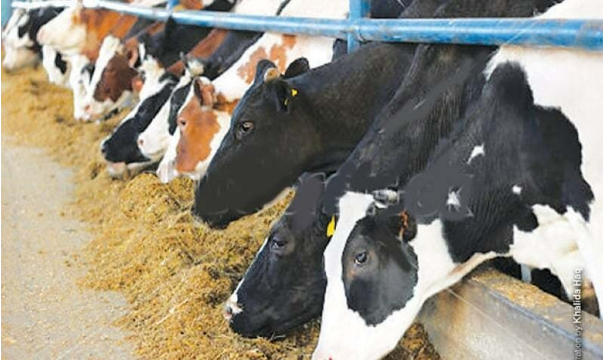
Pakistan remains one of the world's leading milk-producing countries. According to the survey, gross milk production increased to 74.69 million tonnes during FY2025-26 from 72.34 million tonnes in the previous year. Milk available for human consumption rose to 60.19 million tonnes from 58.30 million tonnes during the same period.
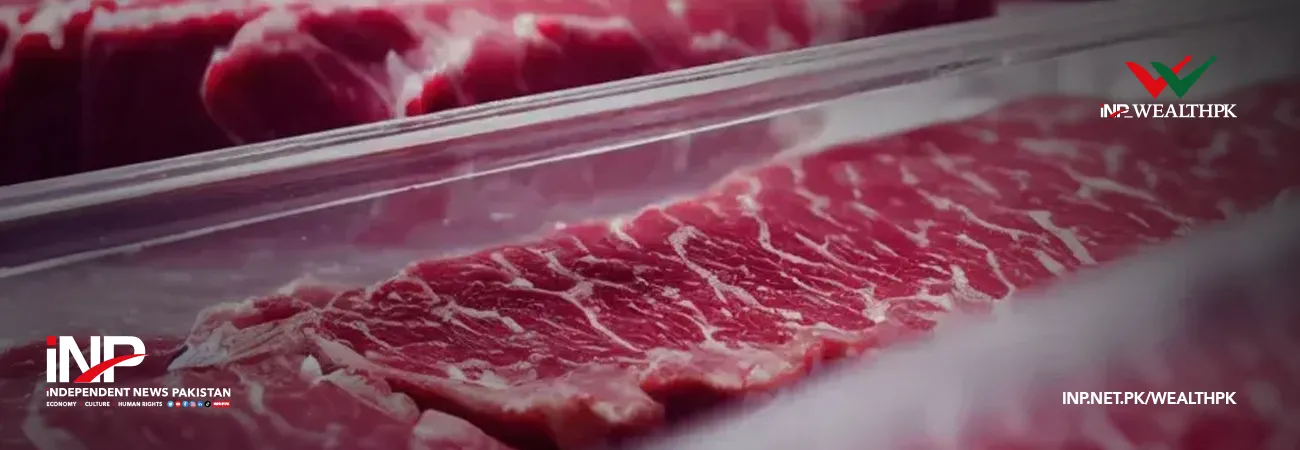
Meat production also continued its upward trend. According to the survey, total meat production increased to 6.31 million tonnes during FY2025-26 from 5.97 million tonnes a year earlier. Poultry meat accounted for the largest share of growth, rising to 2.83 million tonnes from 2.58 million tonnes in FY2024-25.
The poultry industry remained an important growth driver within the livestock sector. Poultry provides an affordable source of animal protein and has emerged as one of the most organized and commercially developed segments of Pakistan's agricultural economy.
The survey highlights that livestock contributes significantly to household food consumption, nutrition and employment while also supplying raw materials to downstream industries, including dairy processing, leather manufacturing, pharmaceuticals and food processing.
According to the Ministry of Finance, the sector demonstrated resilience despite weather-related disruptions that affected other areas of agriculture during the fiscal year. Unlike crop production, livestock activities remained relatively stable because of their diversified and year-round nature.
The survey notes that the government continued implementing programmes aimed at improving livestock productivity and animal health. These initiatives included disease surveillance, vaccination campaigns, breeding improvement programmes and efforts to enhance veterinary service delivery across the country.
The government is also facilitating the import of high-yielding dairy, beef and mutton breeds, along with genetic materials such as sexed semen, ova and embryos to improve livestock productivity and strengthen food security.
Pakistan's dairy and meat sectors are receiving increasing policy attention because of their export potential. According to the survey, efforts to improve quality standards, strengthen disease-control systems and expand value-added processing are expected to enhance the country's competitiveness in international markets.
The report highlights that halal meat exports offer substantial opportunities for Pakistan in regional and global markets. Growing international demand for halal food products has encouraged efforts to modernize slaughterhouses, improve traceability systems and strengthen compliance with international sanitary and phytosanitary standards.
The survey also points to increasing private-sector investment in dairy farms, feed production, poultry operations and livestock processing facilities. These investments are helping improve productivity and strengthen commercial supply chains across the livestock value chain.
Agricultural financing continued to support livestock and agricultural development. According to the survey, financial institutions are expected to disburse Rs3.062 trillion in agricultural credit during FY2025-26, compared with Rs2.577 trillion in the previous fiscal year, reflecting growing access to finance for farmers and livestock producers.
According to the Ministry of Finance, climate resilience is becoming increasingly important for livestock development. Efforts are underway to improve disease management, feed availability and productivity in response to changing environmental conditions and weather-related risks.
The survey further notes that the sector's importance extends beyond agriculture because livestock supports income generation, poverty reduction and economic activity in rural areas where alternative employment opportunities are often limited.
With milk and meat production continuing to increase and livestock accounting for nearly two-thirds of agricultural value addition, the sector remained one of the most important contributors to Pakistan's agricultural economy during FY2025-26 and a key source of future growth opportunities in food processing, rural development and agricultural exports.
Credit: INP-WealthPk
Related Articles


