


INP-WealthPk

Pakistan needs strong innovation ecosystem to capitalise on China’s technology boom
December 08, 2025
Ayesha Saba
As China continues to set global benchmarks in technology and industrial development, Pakistan’s strategic partnership with its most trusted neighbour is emerging as a major driver of innovation, investment, and economic transformation, according to experts.
Dr Hassan Daud Butt, former Project Director of CPEC and Senior Advisor at the China Study Center and Energy China Pakistan, said China’s transition from the “factory of the world” to a global hub of technology and innovation offers significant strategic opportunities for Pakistan.
He noted that China’s rapid progress in emerging technologies such as artificial intelligence, space exploration, electric vehicles, and blockchain is steadily reshaping global trade and competitiveness.
Highlighting China’s Global Development Initiative and the Belt and Road Initiative, he said these frameworks are centred on shared prosperity, trade connectivity, and global harmony. “For Pakistan, the greatest blessing is having a prosperous neighbour that is moving towards becoming the world’s largest economy, backed by a sustainable growth model and a strategic partnership spanning over four decades,” he remarked, adding that the next phase of CPEC will place a strong focus on science, technology, and research.
Commenting on Pakistan’s growth prospects, Dr Butt stressed that innovation, novelty, and technological readiness are essential for strengthening the country’s export base. “Pakistan has low-cost labour, affordable land, and a natural geographical advantage. What we urgently need is to improve ease of doing business and revive tailor-made policies for Chinese investors,” he said.
In response to project delays, he stressed the importance of fostering a strong enabling environment for research and innovation. “An innovation ecosystem cannot be built by the government alone. It must be supported by universities, schools, and educators who foster scientific thinking and creativity,” he added.
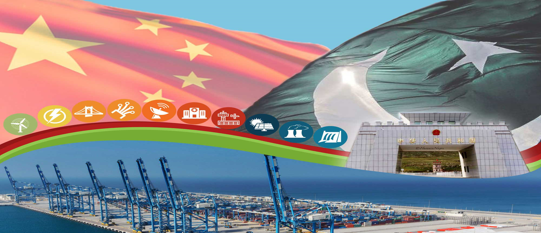
Speaking to Wealth Pakistan, Muhammad Bilal, Manager of Compliance at Pak China Investment Company Limited, underlined the critical role of multi-modal transport infrastructure in strengthening regional connectivity. He said integrated road, rail, and port networks are essential for the seamless movement of goods and services. “By facilitating investments and coordinating projects along this corridor, Pakistan can significantly enhance efficiency and connectivity with regional markets,” he noted.
He also stressed the need for modern trade facilitation mechanisms, harmonised customs procedures, and digital logistics platforms to accelerate trade flows with Central Asia and the Middle East.
In line with China’s focus on sustainable development, Bilal highlighted the importance of adopting green and smart infrastructure, including energy-efficient logistics hubs, renewable energy-powered ports, and smart port technologies, to promote environmentally responsible growth aligned with global best practices.
On the industrial front, he pointed to the high potential of specialised technology zones and innovation-driven Special Economic Zones (SEZs) to boost Pakistan’s competitiveness. Sectors such as renewable energy, information technology, biotechnology, and advanced manufacturing are expected to serve as engines of innovation and high-value exports.
To attract both Chinese and international investors, he said PCICL and other stakeholders are advocating investor-friendly incentives, streamlined approval processes, and robust intellectual property protections. He added that collaboration with Chinese universities and research institutions would further strengthen knowledge transfer, skills development, and joint innovation.
Bilal also recommended a centralised project management framework to monitor progress, resolve bottlenecks, and ensure adherence to timelines. He stressed that regulatory harmonisation — including alignment of environmental standards and technical regulations with Chinese best practices — along with stronger institutional capacity and public-private partnerships would significantly enhance project delivery, efficiency, and long-term sustainability.
Credit: INP-WealthPk