



INP-WealthPk
Pakistan projects 2,000 tea-sector jobs by 2030 and 10,000 by 2040
December 13, 2025
Farooq Awan
Pakistan’s emerging tea cultivation programme is expected to generate an estimated 2,000 jobs by 2030 and more than 10,000 jobs by 2040, with additional opportunities anticipated through eco-tourism and the use of modern agricultural technologies, according to a strategy document prepared under the FAO Technical Cooperation Programme.
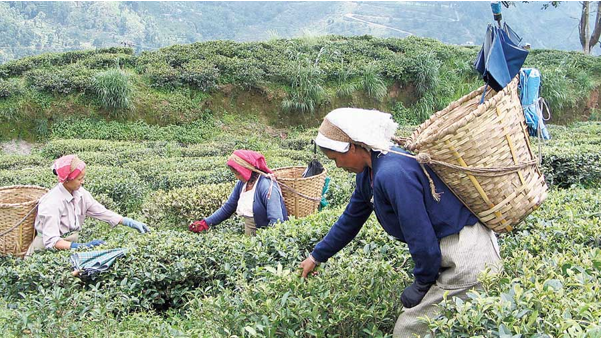
The strategy document, available with Wealth Pakistan, identifies labour absorption as one of the strongest socio-economic benefits of tea cultivation. Tea is among the world’s most labour-intensive crops, requiring year-round activities including planting, pruning, weeding, shading, plucking, sorting and primary processing.
The document states that this characteristic makes tea particularly suitable for mountainous regions of Khyber Pakhtunkhwa (KP), where limited formal employment options exist and many households depend on seasonal labour.
Globally, a large share of tea-plucking activities is performed by women, and the report expects a similar gender distribution in Pakistan’s emerging tea sector, creating new income avenues for rural households.
According to the document, job creation will occur across multiple layers of the value chain. In the early years, most employment will be generated on farms through planting and maintenance activities.
As tea bushes mature and processing factories begin full operations, additional employment will shift toward leaf collection, transport, primary processing, specialised tea finishing, grading and packaging. The strategy also expects new opportunities in extension services, nursery management, training support, logistics, marketing and quality assurance.
The report notes that Pakistan’s planned tea clusters and plantation blocks in KP can become anchors for eco-tourism, particularly because several sites are located within or near scenic valleys and established travel routes.
The strategy states that tea plantations globally often evolve into tourist attractions, with visitors drawn to terraced landscapes, tea-tasting experiences and factory tours. Similar activities could be developed in Pakistan to diversify local incomes and promote Pakistani tea as a recognisable regional product. The document adds that tea routes, visitor centres, tasting rooms and cultural tourism activities could help communities generate additional revenue while strengthening the branding of Pakistan’s specialty teas.
In addition to eco-tourism, the strategy highlights the role of modern technology in expanding employment opportunities and improving efficiency. The report notes that tools such as drones for field monitoring, remote sensing for slope and soil analysis, digital mapping for land use planning and SaaS-based farm management systems will become integral components of the sector as it scales.
These technologies require trained operators and technicians, adding a new dimension to employment in rural areas. The document states that integrating technology will also help Pakistan generate higher-quality data for decision-making, optimise resource use and enhance field-level compliance with quality standards.
The strategy emphasises that long-term job creation will depend on stable financing, consistent governance through the proposed Pakistan Tea Board and the availability of reliable extension services to guide farmers. It stresses that employment projections assume steady expansion in line with land availability, nursery capacity, and processing infrastructure. The report warns that delays in funding or institutional coordination could slow progress and reduce projected employment gains.
According to the document, Pakistan’s tea sector has the potential to evolve into a year-round source of livelihoods for thousands of rural households. By combining cultivation with eco-tourism and technology-driven services, the country can build a diversified economic base around tea while introducing a new high-value agricultural activity in KP.
Credit: INP-WealthPk