




INP-WealthPk

Pakistan set to abolish EPZ domestic sales quota under IMF deal
July 28, 2026
By Ayesha Saba
Pakistan is set to abolish the domestic sales quota for units operating in Export Processing Zones (EPZs) under its commitments to the International Monetary Fund (IMF), with the proposed changes expected to take effect after federal cabinet approval by September 2026.
According to a document available with Wealth Pakistan, draft amendments have been prepared to prohibit sales from EPZs to the domestic market, effectively converting the zones into exclusively export-oriented facilities. The proposal has been forwarded to the Federal Board of Revenue (FBR) for implementation following cabinet approval.
Under Rule 28(5) of the Customs Rules, 2001, EPZ units are currently allowed to sell up to 20% of their production in Pakistan's tariff area. The limit for the Risalpur Export Processing Zone is 30%.
The document states that the proposed abolition of the domestic sales quota was not initiated by the Export Processing Zones Authority (EPZA) or the Ministry of Industries and Production. Instead, it stems from Pakistan's commitments under the IMF's Extended Fund Facility (EFF).
The commitment was formalised during the third review of the EFF programme in May 2026, under which Pakistan agreed to amend the relevant rules to prohibit domestic sales from EPZs. The government also committed not to establish any new EPZs and to gradually phase out the existing zones to create a more level playing field for investment and strengthen the overall business environment.
The move is part of a broader reform programme agreed with the IMF. Pakistan's Staff-Level Agreement reached in July 2024 initially called for phasing out fiscal incentives for Special Economic Zones (SEZs), although Export Processing Zones were not included at that stage.
Under the subsequent EFF programme, however, the government committed not to grant any new fiscal incentives, including tax exemptions and subsidies, to SEZs or EPZs, nor to provide new incentives for firms, sectors or investments operating within these zones.
The programme also required a cost-effectiveness assessment of all SEZs, including EPZs, and halted the establishment of new zones by both the federal and provincial governments. It further called for a plan to phase out existing incentives by 2035, subject to pre-existing legal obligations. During the transition period, profit-based incentives such as tax exemptions are to be replaced with cost-based incentives, including the immediate expensing of tangible assets.
The first review of the EFF programme in May 2025 reaffirmed the government's commitment to prepare a comprehensive plan for phasing out incentives for SEZs and EPZs by 2035, while maintaining that no new EPZs would be established.
Separately, international consulting firm Kearney submitted a study in June 2025 concluding that EPZs did not create market distortions and therefore did not recommend withdrawing their fiscal incentives.
However, the IMF's technical team did not accept the report's recommendations on EPZs. Consequently, the second review of the EFF programme in December 2025 called for the elimination of domestic sales from EPZs and the withdrawal of any additional tax incentives identified through fiscal impact analysis, subject to existing international contractual obligations.
This position was carried forward into the third review in May 2026, under which Pakistan committed to implementing the legal amendments after cabinet approval by September this year.
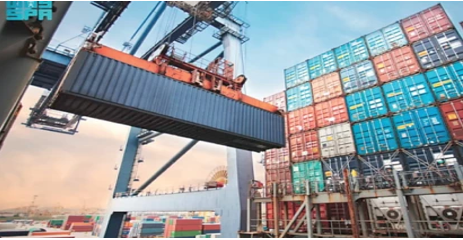
Credit: INP-WealthPk
Related Articles


