



INP-WealthPk

Pakistan’s agri sector experiencing mixed crop performance
December 02, 2025
Abdul Ghani
Pakistan’s agriculture sector is experiencing a mixed crop performance in the current cycle, with major staples showing declines even as minor crops and input supplies offer some encouraging signs. The Federal Committee on Agriculture (FCA), which reviewed the outlook in its October 23 meeting, projected varying outcomes for the 2025–26 season.
According to the Monthly Economic Update and Outlook for November 2025, sugarcane production for the year is expected to increase slightly by 0.6 percent, reaching 84.74 million tonnes, despite the challenges posed by earlier floods. However, other key crops are projected to see notable declines. Cotton output is estimated at 6.85 million bales, down 3.3 percent from last year’s 7.08 million bales, reflecting pest pressure, weather disturbances, and shifts in cultivation patterns.
Rice production is forecast to fall by 3.2 percent to 9.41 million tonnes, compared to 9.72 million tonnes last year, while maize output is expected to decline by 6.7 percent, reaching 8.43 million tonnes. These crop reductions highlight the persistent vulnerabilities in Pakistan’s agriculture sector, including water shortages, rising input costs, and climate-related disruptions.
In contrast, some minor crops have shown notable improvements. Mung bean production is projected to increase by 14.9 percent, reaching 150.8 thousand tonnes, driven by higher cultivation and favourable weather. Chillies production is also set to rise slightly by 0.5 percent, coming in at 114.4 thousand tonnes. These gains offer partial relief, though they are insufficient to offset the decline in major food and fibre crops.
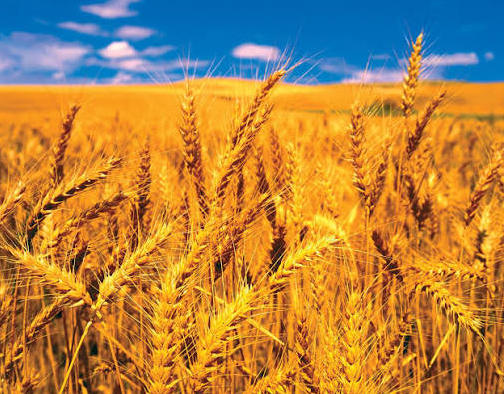
Looking ahead, the FCA has set an ambitious wheat production target of 29.68 million tonnes for the Rabi 2025–26 season, to be cultivated over 9.65 million hectares. The report notes that the target is based on a “satisfactory input situation,” including adequate availability of seed, fertiliser, and pesticides. Wheat remains Pakistan’s most critical crop for food security, and meeting this target will require close monitoring of irrigation flows, weather conditions, and farmer access to inputs.
Agriculture financing trends have been encouraging. During July–October FY2026, agricultural credit disbursement rose by 18.6 percent, reaching Rs845.3 billion, compared to Rs712.8 billion last year. This uptick reflects improved credit absorption capacity among farmers and greater willingness among banks to support crop and livestock activities.
Imports of agricultural machinery and implements also grew by 23.5 percent, totalling $49.3 million during the period. The rise indicates stronger mechanisation trends, which, if sustained, could boost productivity and help farmers cope with labour shortages and climate-related challenges.
Despite these positive developments in inputs and mechanisation, the overall mixed crop outlook underscores the need for deeper reforms in water management, research, extension services, and climate resilience. With major staples facing downward pressure, agricultural performance in FY2026 will hinge on the wheat harvest and continued progress in sectoral support measures.
Credit: INP-WealthPk