




INP-WealthPk

Pakistan’s banking system faces liquidity pressures despite reserve money growth
June 03, 2026
By Moaaz Manzoor
Pakistan’s banking system experienced tighter liquidity conditions during the first half of FY26 despite strong growth in broad money and improving macroeconomic stability, according to the State Bank of Pakistan’s Half Year Report 2025-26.
The report said broad money (M2) growth accelerated to 18.8 percent year-on-year by end-December 2025 compared with 12.9 percent at the end of FY25.
The expansion was driven by growth in both net domestic assets and net foreign assets of the banking system.
According to the SBP, higher government borrowing from scheduled banks, increased credit to the non-government sector and growth in foreign exchange reserves contributed to monetary expansion during H1-FY26.
However, liquidity conditions in the interbank market remained under pressure during much of the review period.
The report said currency in circulation increased because of higher remittance inflows, greater transaction demand and the impact of withholding tax on cash withdrawals by non-filers.
The increase in cash demand reduced liquidity available within the banking system at a time when government borrowing requirements also remained elevated.
The SBP noted that the government’s budgetary borrowing from scheduled banks increased significantly during the second quarter of FY26, contributing to tighter liquidity conditions.
At the same time, growth in private-sector credit and expansion in non-government borrowing further added to liquidity pressures.
To manage the shortfall, the central bank conducted large-scale open market operations during H1-FY26.
The report said active liquidity management by the SBP helped reduce volatility in the weighted average overnight repo rate and strengthened the transmission of monetary policy decisions to financial markets.
The central bank’s liquidity operations were aimed at ensuring orderly market functioning while maintaining consistency with its broader monetary policy stance.
Pakistan’s monetary environment improved considerably during H1-FY26 as inflation slowed and macroeconomic stability strengthened.
Average inflation declined to 5.2 percent during the review period from 7.2 percent in the same period last year.
The SBP also reduced the policy rate by 50 basis points in December 2025, bringing the cumulative reduction since June 2024 to 1,150 basis points.
The report said lower inflation, stable exchange rates and easing interest rates supported stronger economic activity and financial confidence.
At the same time, reserve accumulation improved external-sector stability. The SBP’s liquid foreign exchange reserves rose to $16.1 billion by December 2025 from $14.5 billion at the end of FY25.
Despite these improvements, the central bank maintained a cautious policy stance because of uncertainty surrounding global commodity prices, geopolitical risks and potential inflationary pressures from energy markets.
The report warned that the ongoing Middle East conflict could increase oil prices, raise inflation expectations and complicate liquidity management in coming quarters.
Higher energy import costs and supply-chain disruptions could also affect external balances and banking-sector funding conditions.
Economists say Pakistan’s banking system has become more stable compared with previous years because of improved macroeconomic indicators and reserve accumulation.
However, analysts note that liquidity conditions remain sensitive to fiscal borrowing patterns and fluctuations in currency demand.
The SBP stressed that effective liquidity management remains essential for preserving monetary stability, controlling inflation and supporting sustainable economic growth.
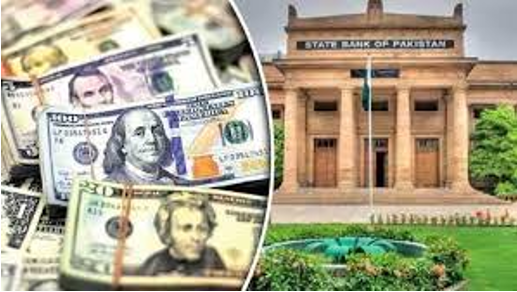
Credit: INP-WealthPk
Related Articles