



INP-WealthPk

Pakistan’s household size expected to decline gradually by 2050
May 18, 2026
By Abdul Ghani
Pakistan’s average household size is projected to decline gradually over the coming decades, reflecting changing demographic patterns, urbanisation and slower fertility trends, according to new national population projections released by the National Institute of Population Studies, Training and Research (NIPST&R).
The report indicates that demographic transition and changing family structures are expected to reshape household composition across the country by 2050.
Even as household sizes decline, Pakistan’s population is projected to rise from 241.5 million in 2023 to nearly 390 million under the slow-fertility-decline scenario.
However, the report notes that fertility rates are expected to gradually decline over time, particularly in urban areas where education levels, healthcare access and migration patterns are changing family structures.
The projections suggest smaller household sizes could alter future demand for housing, consumer goods, utilities and urban infrastructure.
Urbanisation is expected to remain a major driver of this transition. The report highlights sustained migration toward urban centres, particularly Sindh and Islamabad, where economic opportunities continue attracting population movement. As cities expand, household structures are likely to shift away from larger joint-family arrangements toward smaller urban family units.
The changing demographic structure may also affect consumption patterns and housing markets over time. Smaller households generally increase demand for residential units, electricity connections, water supply systems and urban transport networks.
The report further indicates that Pakistan’s working-age population is projected to rise sharply, reaching 255.4 million by 2050 from 135.2 million in 2023.
The increase could strengthen urban labour markets and consumer demand if economic growth and employment generation improve alongside demographic change.
The projections stress that population trends are increasingly shaping long-term development planning because demographic shifts directly affect economic activity, infrastructure requirements and public spending priorities.
UNFPA and NIPST&R noted that demographic transition will continue influencing social and economic structures across Pakistan over the next several decades.
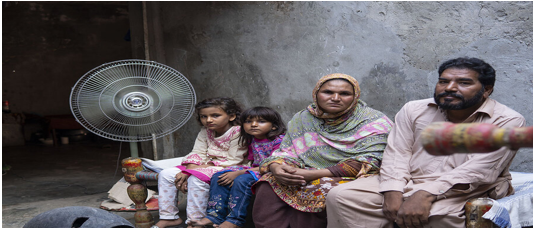
Credit: INP-WealthPk
Related Articles