


INP-WealthPk
Rabi crop outlook improves as input availability supports higher wheat production
January 05, 2026
Abdul Ghani
Pakistan’s Rabi season outlook has strengthened as improved availability of agricultural inputs and supportive government measures enhance prospects for higher crop production, according to the Monthly Economic Update and Outlook for December 2025 issued by the Finance Division.
The report stated that the government has set a wheat production target of 29.68 million tonnes for the Rabi season 2025–26, to be achieved over a cultivated area of 9.65 million hectares. The improved outlook reflects timely provision of key inputs, including certified seed, fertilizers, irrigation water and agricultural credit, which together have helped farmers maintain planting momentum despite rising input costs.
Agricultural credit disbursement showed notable improvement during the period. During July–November FY2026, banks disbursed Rs1,097.6 billion in agricultural credit, marking an increase of 18.6 percent compared to the same period last year. The expanded availability of credit has supported farmers in purchasing seeds, fertilizers, machinery and other essential inputs ahead of the Rabi sowing season.
The report also highlighted improved availability of fertilizers, particularly urea, during the early months of the season. Urea offtake during October–November 2025 stood at 1,170 thousand tonnes, representing a 15.6 percent increase compared to the corresponding period of the previous year. This improvement helped ensure timely sowing and better crop establishment across major wheat-growing regions.
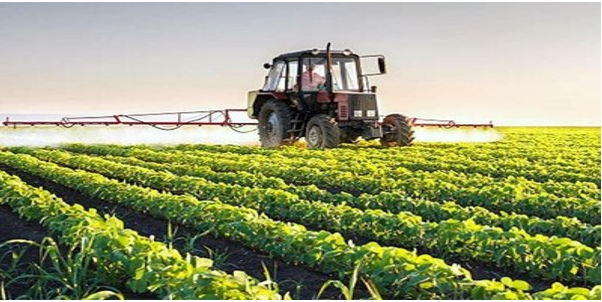
In addition to fertilizer availability, the import of agricultural machinery and equipment also increased, supporting mechanization efforts in the farming sector. Imports of agricultural machinery & implements increased by 27.3 percent to $58.0 million during Jul-Nov FY2026 from $45.5 million last year. The report noted that increased mechanization is expected to enhance productivity, reduce post-harvest losses and improve overall farm efficiency.
The Finance Division emphasized that coordinated efforts by federal and provincial authorities played a key role in ensuring the availability of critical inputs during the sowing season. Measures such as improved distribution systems, timely fertilizer supply and access to institutional credit were cited as important factors contributing to better crop prospects.
While the overall outlook for the Rabi season remains positive, the report cautioned that weather conditions, particularly rainfall patterns and temperature variations, will continue to influence crop performance. It stressed the importance of sustained monitoring and timely interventions to safeguard production targets.
Looking ahead, the report noted that achieving the targeted wheat output would support food security objectives, stabilize domestic prices and reduce reliance on imports. Continued policy support, efficient input management and favorable weather conditions were identified as key factors for ensuring a successful Rabi harvest and strengthening the agricultural sector’s contribution to overall economic growth.
Credit: INP-WealthPk