



INP-WealthPk
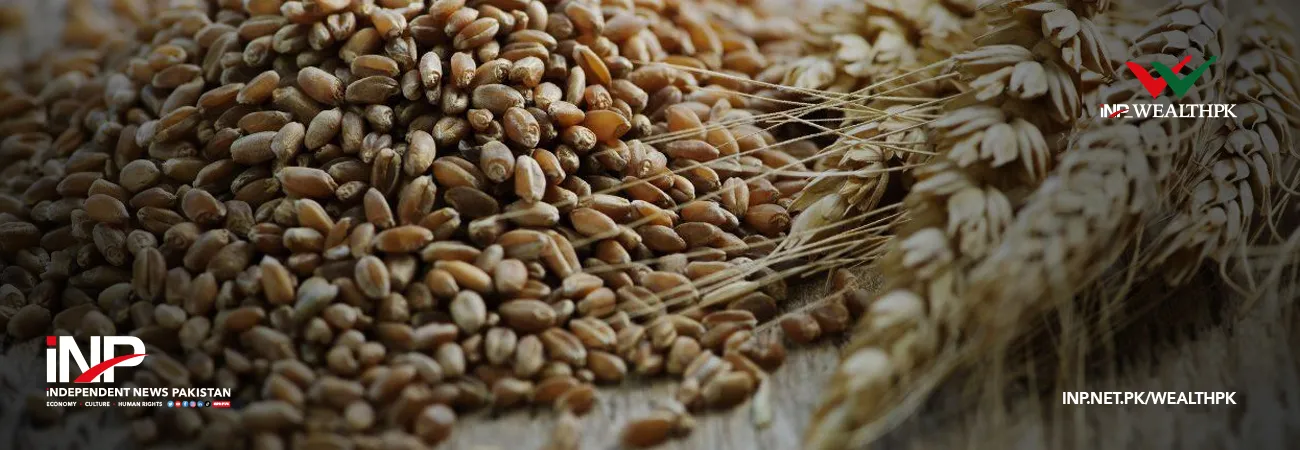
Rising wheat prices push up bakery production costs
January 12, 2026
Muhammad Luqman
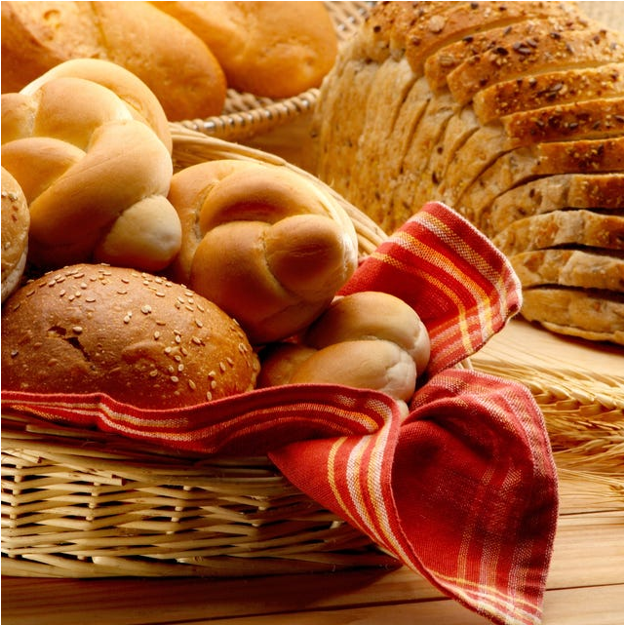
The ongoing increase in wheat prices in Punjab has not only made flour more expensive but has also prompted bread and biscuit manufacturers to urge the government to allow an increase in the prices of their products. “The rise in wheat flour and maida prices has compounded the industry’s hardships, already burdened by expensive fuels such as LPG and firewood,” said Muhammad Azam Chaudhary, owner of a bakery products unit in Lahore’s Kot Lakhpat Industrial Estate.
Talking to Wealth Pakistan, he said a nearly 30% increase in flour prices — the major raw material for bread, rusks, buns and cookies — has made it extremely difficult to run food processing units. “The government forced us to reduce product prices last year when fine flour (maida) was available at Rs6,500 per bag. Now the price has jumped to Rs11,500 per bag, including an increase of Rs1,500 in just two weeks,” Chaudhary said.
He added that it was time for the government to allow an increase in the prices of all kinds of bread, rusks, and cookies. “We are planning a meeting with officials of the Punjab Food Authority (PFA) to press our demands,” he said. Similar concerns have been raised by the Nan and Roti Association, which believes it is no longer feasible to sell roti at the government-fixed rate of Rs15.
“The supply of flour produced from government wheat releases has declined, while a 15kg bag made from private-sector wheat is now selling for Rs1,800 across Punjab,” said Muhammad Aftab Aslam Gill, President of the Lahore Nan and Roti Association. He urged the district administration to allow nanbais (bakers) to sell roti at Rs20.
According to wheat flour dealers, flour mills are largely responsible for the shortage and rising prices of wheat flour and maida (fine atta). “Most mills are supplying atta produced from wheat bought in the open market, where prices have surged to Rs4,200 per 40kg from Rs3,500 within a few weeks,” said Haji Muhammad Yousaf, President of the Lahore Atta Dealers Association.
Talking to Wealth Pakistan, he said increased supply and grinding of subsidized wheat could help bring down atta prices and stabilize the market. Flour mills, however, blame the Punjab Food Department for the wheat shortage and rising prices in the open market.
“The Punjab Food Department is releasing wheat to flour mills in only three cities—Lahore, Rawalpindi, and Gujranwala—depriving nearly 1,000 mills in other cities of wheat priced at Rs3,000 per 40kg,” said Asim Ahmad Raza, former chairman of the Pakistan Flour Mills Association.
He said there was no shortage of wheat in Punjab, as ample stocks were available with the food department, Pakistan Agricultural Storage and Services Corporation (PASSCO), and the private sector. “By releasing wheat from PASSCO stocks, the Punjab government can ease prices across the province,” Raza said.
He claimed that the food department was supplying only 5,000 tons of wheat daily against a demand of 28,000 tons. Punjab Food Department officials, however, rejected these allegations, insisting that wheat supplies had not been curtailed. “We are providing wheat only to functional flour mills and are not allowing anyone to sell subsidized wheat in the open market,” said Director General of Food, Punjab, Amjad Hafeez.
He said that 20kg wheat flour bags were being supplied in every district at the official rate of Rs1,810. “The food department will not bow to rent-seekers,” he warned.
Credit: INP-WealthPk