



INP-WealthPk
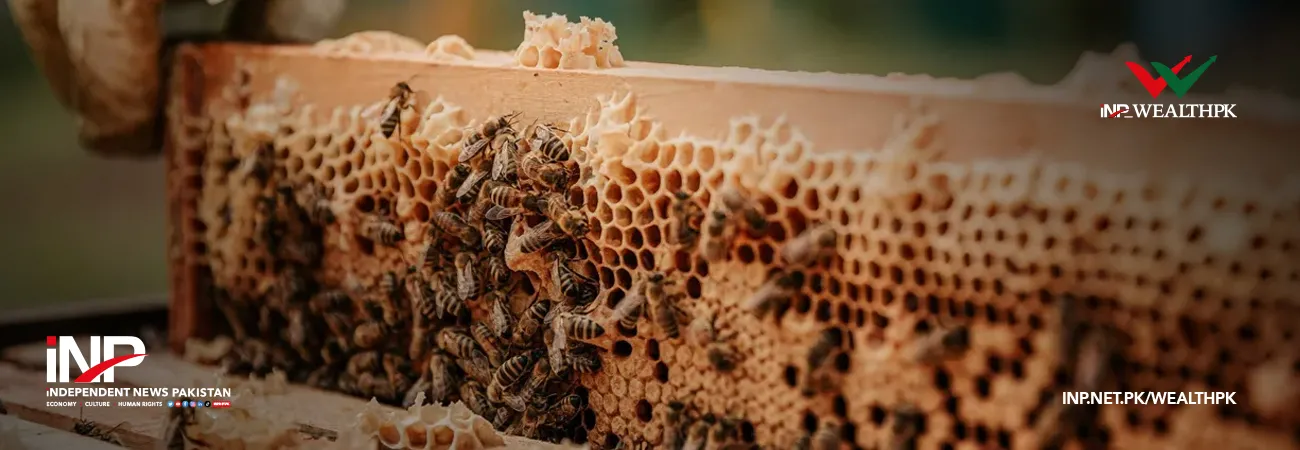
Sindh beekeeping sector suffers as climate change disrupts bee habitats
December 02, 2025
Ahmed Khan Malik
Honey farmers have been facing sharp declines in production as climate change continues to alter flowering cycles, disrupt bee habitats, and introduce new environmental stressors.
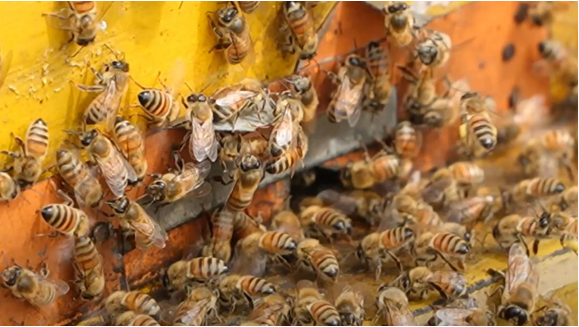
Over the past several seasons, farmers in regions such as Badin, Thatta, Khairpur, and parts of Tharparkar have seen their hives produce significantly less honey. Many report that bees are abandoning colonies or dying at higher rates due to heatwaves, water scarcity, and the disappearance of wild vegetation that previously sustained them.
“Our production has dropped by nearly half,” said Usman Otho, a beekeeper near Tando Muhammad Khan. Talking to Wealth Pakistan, he said that flowers either bloom too early or not at all, and the bees have nothing to feed on.
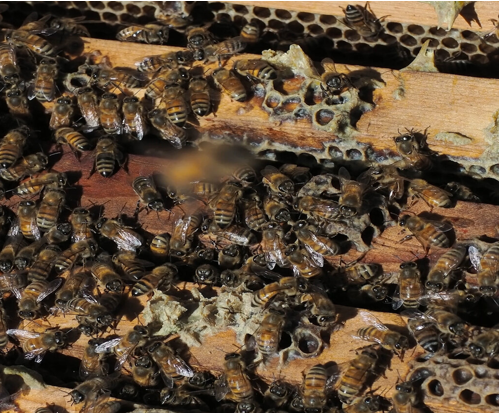
Climate experts emphasize that high temperatures and unpredictable rains have changed the natural rhythm of plant growth. Floral species that bees depend on for nectar — such as acacia, neem, and various wildflowers — are failing to bloom consistently, leaving bee colonies weakened.
In some districts, repeated heatwaves have pushed temperatures beyond levels that bees can tolerate, causing mass die-offs. “Bees are extremely sensitive to environmental shifts,” explained Noreen Qazi, a researcher at Sindh Agricultural Research Council. She noted that a single heatwave during peak flowering season can destroy months of work.”
She said that flooding in recent years has also washed away vegetation and contaminated soil, further shrinking habitats. In lower Sindh, where beekeepers traditionally migrate hives seasonally to follow flower patterns, the lack of predictable weather has made movement riskier and less profitable. “We used to know which areas would bloom and when,” she said, adding that now everything is uncertain.
She said that honey, long valued as a profitable byproduct of the province’s rich biodiversity, has seen rising production costs. Farmers now spend more on supplemental feeding, hive maintenance, and migration. Many have turned to sugar syrup to sustain their colonies during lean periods — an expensive and inadequate substitute that can affect honey quality, Noreen said.
She pointed out that the supply of Sindh’s natural honey has dropped noticeably. “Prices have risen, but not enough to offset farmers’ increased expenses. People think higher prices mean farmers are earning more,” she said. “But production has fallen so sharply that most beekeepers are barely covering costs.”
She added that efforts are underway to support beekeepers through training programs and awareness campaigns on climate-resilient practices. “We are also exploring the introduction of drought-resistant and climate-adapted flowering plants in selected districts to improve forage availability,” the agriculture researcher said.
She noted that the decline of honey farming is not only an economic issue but also a threat to food security. “Bees play a critical role in pollinating crops such as fruits, vegetables, and oilseeds. Reduced bee populations could lead to lower crop yields across Sindh, compounding the province’s existing agricultural challenges. “When bees suffer, entire ecosystems suffer,” she said.
Credit: INP-WealthPk