



i INP-WEALTHPK

Pakistan’s fertility decline remains uneven across provinces, projections showBreaking
May 18, 2026
By Ayesha Saba
Pakistan’s fertility transition remains uneven across provinces, a trend that could widen demographic and economic disparities over the coming decades, according to new population projections prepared by the National Institute of Population Studies, Training and Research (NIPST&R).
The report indicates that fertility rates remain significantly higher in Khyber Pakhtunkhwa and Balochistan compared with Punjab and Sindh, slowing the country’s overall demographic transition.
Pakistan’s total population is projected to rise from 241.5 million in 2023 to nearly 390 million by 2050 under the slow fertility decline scenario. Even under a faster fertility decline path, the population is still expected to reach 371.9 million.
The projections suggest fertility patterns will remain one of the most important factors shaping Pakistan’s long-term economic and social outlook.
According to the report, differences in women’s education, healthcare access, urbanisation and family planning adoption continue to influence fertility trends across provinces.
The report notes that slower fertility decline in some regions may increase pressure on schools, healthcare systems, labour markets and public finances over time.
Pakistan’s demographic momentum is expected to remain strong even if fertility rates gradually decline because of the country’s already large youth population.
The population aged below 30 years stood at nearly 161 million in 2023 and is projected to exceed 211 million by 2050.
The projections indicate that future population outcomes will depend heavily on investment in reproductive healthcare, girls’ education and awareness regarding family planning.
The report stresses that demographic planning is increasingly becoming an economic policy issue because population growth directly affects infrastructure demand, labour-force expansion and public spending requirements.
UNFPA and NIPST&R noted that accelerating the fertility transition through human capital investment could ease long-term development pressures and improve economic sustainability.
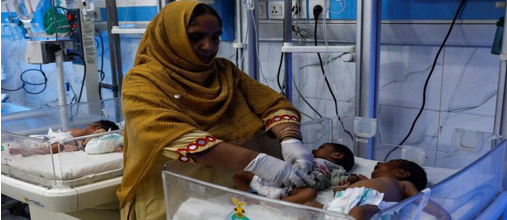
Credit: INP-WealthPk
Related News