



i INP-WEALTHPK

Population growth may intensify pressure on Pakistan’s water and food systemsBreaking
May 18, 2026
By Ayesha Saba
Pakistan’s rapidly expanding population is expected to place increasing pressure on food security, water availability and agricultural resources over the coming decades, according to new national population projections prepared by the National Institute of Population Studies, Training and Research (NIPST&R).
The report projects Pakistan’s population to rise from 241.5 million in 2023 to nearly 390 million by 2050 under the slow-fertility-decline scenario.
The projections suggest future demand for wheat, rice, edible oil, livestock products and freshwater resources could rise sharply alongside population growth.
Pakistan’s agriculture sector already faces pressure from climate variability, water shortages, land fragmentation and rising urbanisation.
The report indicates that demographic expansion is likely to intensify competition for water and agricultural resources, particularly in densely populated provinces.
Punjab’s population is projected to approach 200 million by 2050, while Sindh may exceed 91 million.
The increase is expected to raise pressure on irrigation systems, groundwater uses and food supply chains.
The projections also point toward continued urban expansion, particularly in Sindh and Islamabad, where migration linked to employment opportunities is expected to remain strong.
Urban growth may reduce agricultural land availability around major cities while increasing food demand in metropolitan centres.
Pakistan’s working-age population is projected to rise from 135.2 million in 2023 to 255.4 million by 2050, increasing household consumption demand across the economy.
The report suggests future economic planning will increasingly depend on improving agricultural productivity, water management and climate resilience.
Demographic trends are expected to influence long-term policy decisions related to food security, infrastructure and environmental sustainability.
The projections further stress the importance of family planning, women’s education and public health investment in managing long-term population pressures.
UNFPA and NIPST&R noted that evidence-based demographic planning will remain critical for balancing future population growth with resource sustainability and economic development.
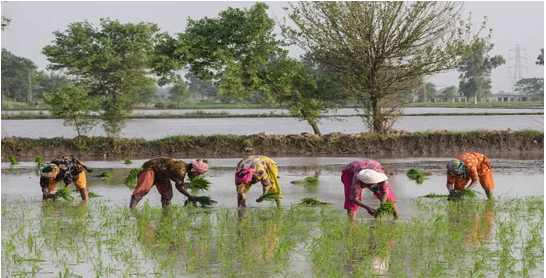
Credit: INP-WealthPk
Related News