

i NEWS INTERNATIONAL
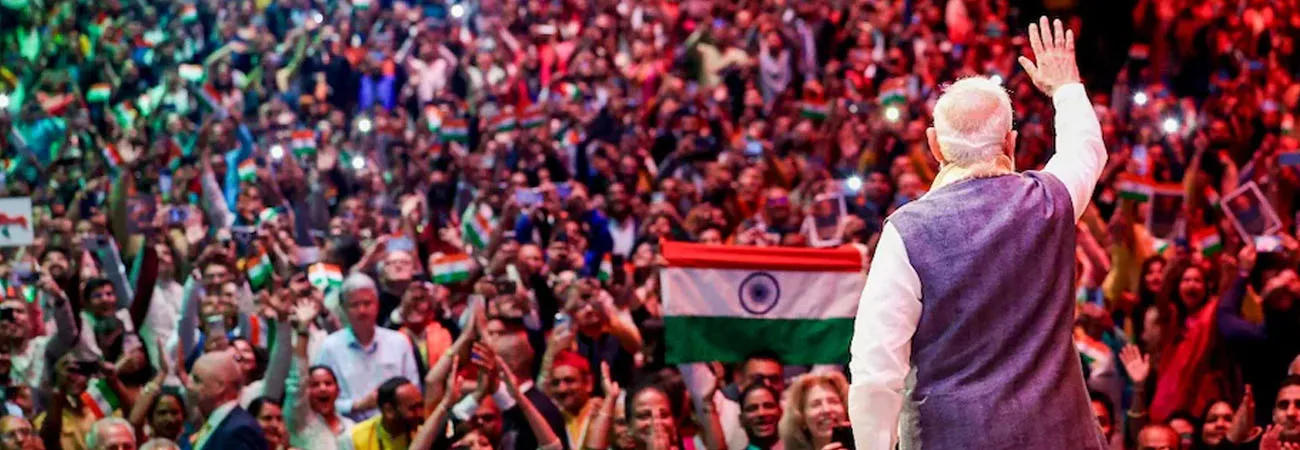
Modi faces protests in Europe as critics question substance of Netherlands visitتازترین
May 19, 2026
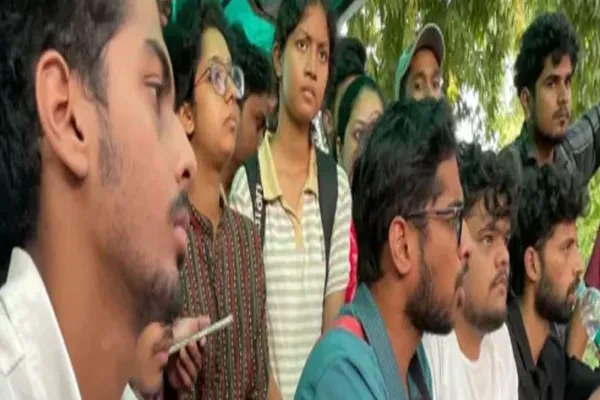
Indian Prime Minister Narendra Modi faced strong protests by Khalistan supporters during his visit to Europe, while political observers and analysts described his Netherlands tour as heavy on optics but lacking substantive outcomes. Khalistan Referendum activists staged demonstrations in Gothenburg, Sweden, and The Hague in the Netherlands against Modi and Indian policies targeting minorities, particularly Sikhs.
Protesters raised slogans demanding accountability over the killing of Sikh leader Hardeep Singh Nijjar and plots against Sikh activists abroad, including Paramjeet Singh Pamma. Reports said protesters gathered outside Hotel Gothia Towers in Gothenburg during the night of May 16 and 17, chanting slogans against Modi and accusing his government of repression and intimidation.
Demonstrators highlighted the worsening plight of Sikh farmers in Indian Punjab, stating that economic policies were benefiting corporate groups at the expense of local communities. Similar protests erupted in The Hague, where Khalistan supporters raised slogans in favour of Khalistan and against what they described as Indian state repression. Protesters also criticised New Delhi over transnational targeting of Sikh activists and suppression of dissent.
Meanwhile, analysts said Modi’s Netherlands visit was projected by Indian media as a major diplomatic breakthrough, but in reality offered little beyond symbolic declarations and routine agreements. They said the so-called “Strategic Partnership” and the 2026–2030 roadmap largely repackaged existing cooperation in trade, technology and diplomacy.
Observers noted that the 17 agreements announced during the visit, including deals related to semiconductors, artificial intelligence and green hydrogen, appeared to be broad statements of intent rather than concrete achievements. They said India remained heavily dependent on foreign technology and expertise despite claims of self-reliance.
Analysts further said New Delhi was increasingly shifting towards the European Union in an attempt to reduce dependence on the United States through expanded cooperation in technology, energy and trade sectors. Political commentators said the protests in Europe reflected growing international criticism of Modi government policies, particularly regarding minorities, farmers and dissenting voices, while also exposing India’s increasing diplomatic challenges abroad.
Credit: Independent News Pakistan (INP)
متعلقہ خبریں