


i NEWS INTERNATIONAL
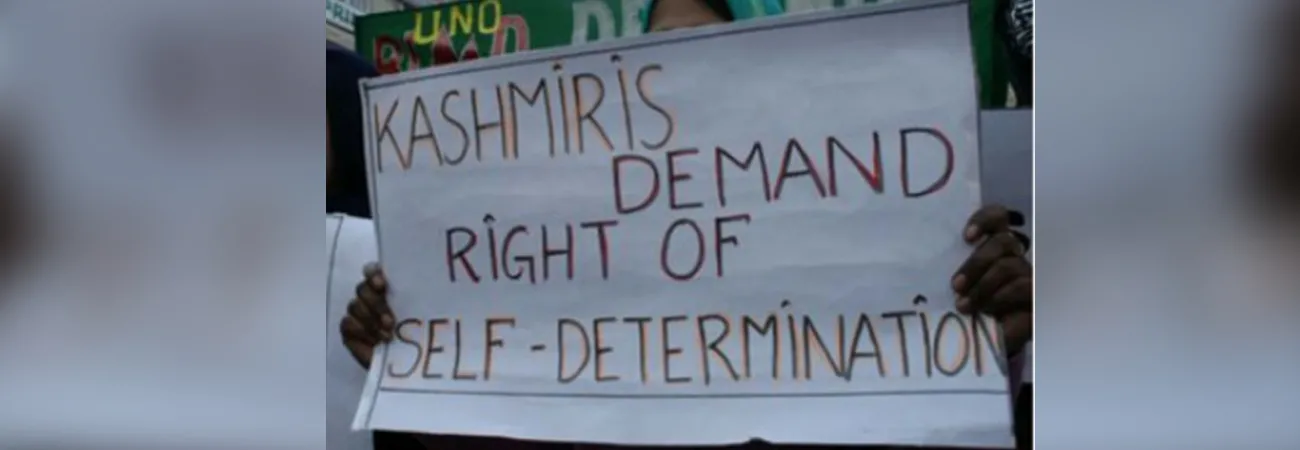
Speakers at UNHRC panel link climate justice with right to self-determinationBreaking
March 11, 2026
Speakers at a panel discussion held on the sidelines of the 61st session of the UN Human Rights Council have emphasized that sustainable climate action requires restoring political agency to subjugated peoples, particularly those living under occupation.
According to Kashmir Media Service, the panel discussion titled “Climate Justice, Human Rights and the Right to Self-Determination: An Intersectional Framework” brought together environmental experts, human rights advocates and legal scholars to examine how denial of the right to self-determination increases climate vulnerability in disputed territories such as Jammu and Kashmir.
The event was moderated by All Parties Hurriyat Conference-Azad Jammu and Kashmir Convener Ghulam Muhammad Safi and featured speakers including Chairman of the Kashmir Institute of International Relations Altaf Hussain Wani, environmental researcher Talha Tufail Bhatti of the Institute of Regional Studies, Abdul Rehman of the Centre for International Strategic Studies (CiSS-AJK), and APHC-AJK Secretary General Advocate Parvez Shah.
Opening the discussion, Safi said the climate crisis does not occur in isolation and must be viewed in the broader context of political domination and structural violence. He said military occupation deprives people of their right to self-determination and simultaneously strips them of the ability to protect and manage their natural environment.
Altaf Hussain Wani highlighted the legal foundations linking environmental sovereignty with human rights, noting that Article 1 of the International Covenants on Civil and Political Rights and on Economic, Social and Cultural Rights guarantees peoples the right to freely pursue their economic, social and cultural development.
He said the people of Jammu and Kashmir, living under Indian occupation, are denied the ability to determine their political status and manage their glaciers, forests and water resources. Environmental researcher Talha Tufail Bhatti described the Himalayan region as South Asia’s “water tower,” noting that glaciers feeding the Indus, Chenab and Jhelum rivers sustain nearly 1.5 billion people.
He warned that militarization in the region is accelerating ecological destruction instead of promoting climate adaptation. Abdul Rehman highlighted the environmental consequences of India’s 2019 revocation of Articles 370 and 35A, saying it opened the door to unchecked resource extraction, including mining projects targeting lithium and uranium without the consent of the local population.
Credit: Independent News Pakistan (INP)
Related News