i NEWS PAKISTAN

Campaign against dengue intensified in Rawalpindi Breaking
April 21, 2026
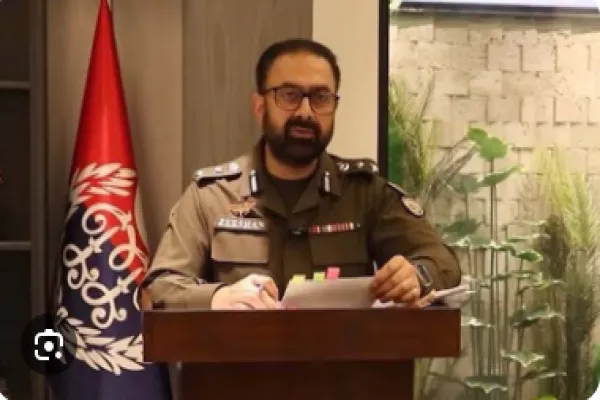
The District Health Authority (DHA) Rawalpindi has launched an intensified anti-dengue campaign as only one dengue case has been reported in the district so far this year. During a press conference on Monday, CEO District Health Authority, Dr Ehsan Ghani said that the authority has hired 1,000 sanitary patrol workers, including 900 women to strengthen door-to-door surveillance and eliminate dengue mosquito breeding sites.
He added that additional female workers have been deployed specifically for household patrolling. Currently, 26 union councils in Rawalpindi have been identified as high-risk for dengue. “Rawalpindi’s population is approximately 6.2 million. We urge citizens to join hands with the health department in the fight against dengue,” Dr Ghani appealed the citizens. He further stated that continuous training is being provided to anti-dengue teams. Private hospitals’ staff are also being trained to improve diagnosis and response.
Dr Ghani highlighted the impact of climate change, which is altering the dengue vector and its transmission cycle. “This year could potentially see a dengue spike, but the health department is working with proper planning to control any possible surge,” he said. He stressed that people should immediately clean or cover water storage containers and remove stagnant water from their surroundings, as it becomes a breeding ground for dengue mosquitoes.
“The media should also play its role in creating awareness against the dengue virus,” Dr Ghani requested. Dr Hafiz Muhammad Jawad, District Health Officer (Preventive), was also present during the press conference. The CEO assured that the department will continue its proactive measures with full coordination to keep dengue under control in the district.
According to the latest vector surveillance conducted on April 19 2026 health teams checked over 9000 houses out of which 454 were found positive. They also inspected one thousand 139 spots and 45 of them tested positive taking the total positive findings to 499. Overall surveillance coverage remained high at ninety-seven point three percent last week with seventeen thousand eight hundred fifty-nine hotspots registered.
Credit: Independent News Pakistan (INP)
Related News