i NEWS PAKISTAN

India releases unannounced water in Chenab to damage Pakistan's wheat cropBreaking
December 08, 2025
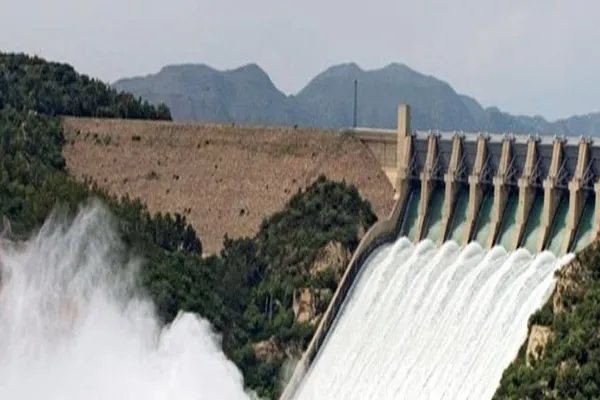
Pakistan on Monday accused India of once again resorting to “water aggression” after New Delhi allegedly released a sudden and unannounced surge of water into the Chenab River, raising its flow to 58,300 cusecs and triggering concerns about damage to the standing wheat crop. India opened its dam spillways without prior intimation and is expected to refill the reservoirs shortly, a move that could reduce the Chenab’s flow to near zero in the coming days.
The TV channel described in its Monday report that the development was a deliberate act of “water terrorism” aimed at harming Pakistan’s agriculture.The latest escalation comes amid growing diplomatic tensions over India’s suspension of the 1960 Indus Waters Treaty earlier this year.On November 7, Pakistan’s Permanent Representative to the United Nations, Ambassador Asim Iftikhar, raised the issue before the UN Security Council, calling India’s actions a “textbook example” of the weaponisation of shared natural resources.
Representative to the United Nations, Asim Iftikhar, said the unilateral suspension of the treaty undermined international water law and threatened millions who depend on the Indus basin for food and energy security. “For more than six decades, this treaty has remained a model of cooperation, even throughout periods of conflict,” Ambassador Iftikhar said, adding that India’s decision “disrupts ecosystems, blocks data-sharing, and jeopardises livelihoods across Pakistan.”
He stressed that no clause of the treaty allows unilateral suspension or alteration and noted that the Court of Arbitration’s 2025 award had reaffirmed its continued validity. He urged India to return to full compliance “through established mechanisms.” The Security Council’s discussion coincided with the International Day for Preventing the Exploitation of the Environment in War and Armed Conflict.
UN Environment Programme Executive Director Inger Andersen highlighted how environmental degradation driven by conflict continues to deepen food insecurity and displacement, noting examples from Gaza to Haiti. Two months earlier, on October 7, Pakistan had similarly accused India of releasing 60,000 cusecs of water into the Sutlej River, causing significant rises downstream near Kasur.
At the time, the Provincial Disaster Management Authority (PDMA) Punjab warned that water flows in major rivers, including the Sutlej, Ravi, Chenab, and Jhelum, were expected to increase due to both Indian releases and ongoing monsoon patterns. The PDMA reported that water flow in the Chenab had earlier been measured at 31,000 cusecs at Marala, 17,000 at Khanki, 11,000 at Qadirabad, and 11,000 at Trimmu, with moderate rises expected.
As river flows fluctuate sharply, officials in Islamabad warn that India’s upstream actions, combined with a suspended legal framework for water management, threaten long-term regional stability. Pakistan insists that shared water systems must remain instruments of cooperation, not coercion.
Credit: Independent News Pakistan (INP)
Related News