


i NEWS SPORTS
Bangladesh rejects Indian official's visa ahead of T20 World CupBreaking
January 17, 2026
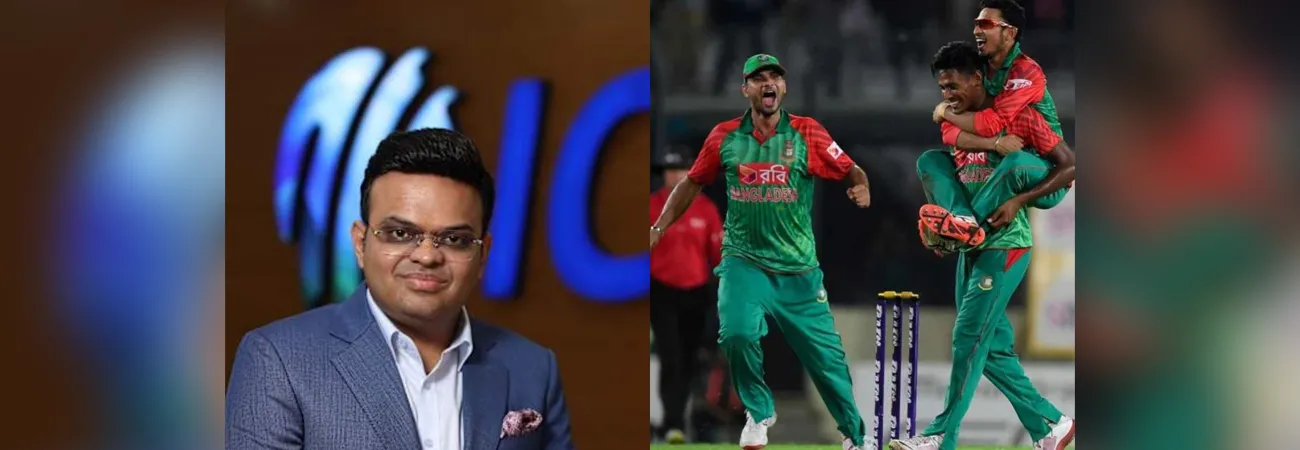
High-stakes negotiations between the International Cricket Council (ICC) and Bangladesh over the T20 World Cup 2026 began amid controversy after Bangladesh denied a visa to an Indian ICC official, allowing only one member of the delegation to enter the country. The planned two-member delegation from the Council was halved after a senior ICC executive of Indian nationality failed to obtain a visa in time. As a result, only Andrew Ephgrave, the ICC’s Head of Anti-Corruption and Security, arrived in Dhaka on January 17 to continue talks.
The visit is being viewed as a last-ditch attempt by the ICC to resolve a growing diplomatic and sporting crisis with the Bangladesh Cricket Board ahead of the ICC Men's T20 World Cup, scheduled to begin on February 7. At the heart of the dispute is Bangladesh’s demand to shift its group-stage matches from India to Sri Lanka. Bangladeshi authorities and the BCB have cited political tensions and security concerns for players and officials.
Bangladesh has also boycotted playing in India following the expulsion of star pacer Mustafizur Rahman from the IPL, further straining relations. With his colleague unable to travel, the responsibility of negotiations now rests entirely on Ephgrave, a former British police officer with extensive international security experience. According to Bangladeshi media, he is expected to present a detailed security plan aimed at reassuring Bangladesh that its players and staff will receive full protection while playing in India.
Indian media described the visa refusal as symbolic of the current political climate between India and Bangladesh. The ICC has not officially commented on the visa issue, though it has reportedly caused disappointment within the organization. Bangladesh issued a visa only to the head of anti-corruption and security, while the Indian ICC official remained stranded.
Ephgrave is scheduled to meet Bangladesh board officials to discuss venues for India-based World Cup matches. Failure to reach an agreement could put the tournament’s schedule at serious risk before it even begins. Observers say the fate of the T20 World Cup now hinges on whether the ICC can convince Bangladesh to stick to the original plan. With negotiations underway and diplomatic tensions simmering, both the ICC and Bangladesh face mounting pressure to resolve the impasse quickly.
Credit: Independent News Pakistan (INP)
Related News