


آئی این پی ویلتھ پی کے

NHA enforces 100% axle load control regime to strengthen road safety
December 15, 2025
Muhammad Faisal Kaleem
The National Highway Authority (NHA) has implemented a 100% Axle Load Control Regime across the national highway and motorway network as part of a comprehensive effort to enhance road safety, protect infrastructure, and reduce crash risks. According to an official document available with Wealth Pakistan, the regime enforces a strict zero-tolerance policy on vehicle overloading to safeguard pavement quality and prevent premature road deterioration.
“Overweight vehicles are now subject to heavy fines and strict legal action, supported by a network of 210 weigh stations, including 14 mobile units, and coordinated enforcement with the National Highways and Motorway Police (NH&MP),” the document states. Pakistan has historically struggled to meet international axle load and road safety standards. However, the document notes that recent years have seen substantial progress, with the nationwide enforcement of axle load control described as a major achievement in aligning with global best practices.
Alongside load regulation, the NHA has intensified its broader focus on highway safety. High-risk segments are being upgraded under a systematic, data-driven approach. “Recognizing the critical importance of post-crash response, NHA is actively working with Rescue 1122 and NH&MP to identify strategic sites for the deployment of ambulance services along major corridors,” the document adds.
These measures also reflect Pakistan’s renewed commitment to fulfilling its obligations under the Central Asia Regional Economic Cooperation (CAREC) and the United Nations Economic and Social Commission for Asia and the Pacific (UNESCAP) programs. The initiatives aim to embed safety, sustainability, and resilience into the country’s transport infrastructure. NHA spokesperson Mazhar Hussain told Wealth Pakistan that continuous infrastructure upgrades, reinforced enforcement, and strengthened emergency response systems underscore the government’s commitment to improving road safety.
“As these programs evolve, the NHA’s efforts will not only meet international safety standards but also significantly reduce the financial and human costs associated with road accidents,” he said. He noted that the NHA, in collaboration with NH&MP, is laying the foundation for safer and more resilient transportation networks that could serve as a model for other regions facing similar challenges.
Hussain added that these improvements will also generate long-term economic benefits, as safer roads lead to fewer disruptions, lower maintenance costs, and greater public confidence in the transport system. Highlighting the human safety dimension, he said modern monitoring systems, improved engineering practices, and stricter compliance mechanisms would help ensure safer travel for millions of commuters nationwide.
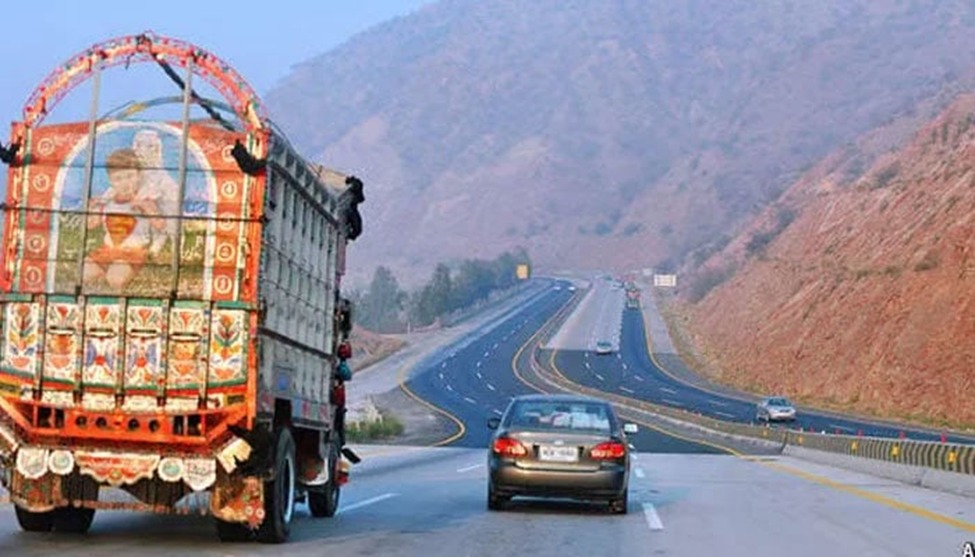
Credit: INP-WealthPk
متعلقہ مضامین