



آئی این پی ویلتھ پی کے

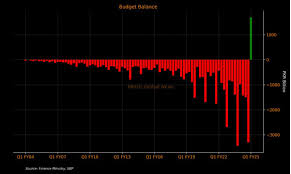
Pakistan posts first half-year fiscal surplus in over two decades
June 03, 2026
By Moaaz Manzoor
Pakistan recorded its first half-year fiscal surplus in more than two decades during H1-FY26 as lower interest payments, stronger non-tax revenues and continued fiscal consolidation significantly improved the government’s budgetary position, according to the State Bank of Pakistan’s Half Year Report 2025-26.
The central bank said the fiscal balance turned into a surplus during the first six months of the fiscal year, marking the first such occurrence since FY02. The improvement reflected the combined impact of easing domestic interest rates, higher State Bank profits, petroleum levy collections and ongoing expenditure discipline under broader macroeconomic stabilisation efforts.
The development represents a major shift for an economy that has struggled for years with persistent fiscal deficits, rising debt-servicing costs and growing financing pressures.
According to the report, the sharp decline in mark-up payments played a central role in improving fiscal indicators. Pakistan’s aggressive monetary tightening cycle in previous years had sharply increased debt-servicing obligations, severely constraining public finances. However, easing inflation and subsequent policy-rate reductions have now started to ease the government’s financing burden.
The SBP noted that the reduction in interest payments also created additional fiscal space for development expenditure, subsidies and social-sector support, areas that had remained under pressure during earlier stabilisation phases.
The report highlighted that increased development spending could support medium-term growth because public investment typically carries a higher fiscal multiplier than current expenditure.
Fiscal consolidation remained broadly on track during the review period despite challenging economic conditions, including flood-related disruptions and rising geopolitical uncertainty linked to conflict in the Middle East. The central bank said prudent fiscal management helped strengthen macroeconomic stability and improve investor confidence.
Pakistan’s primary balance — which excludes interest payments — also remained in surplus, indicating that underlying fiscal discipline continued even before accounting for the benefit of lower borrowing costs.
The report said non-tax revenues remained an important contributor to fiscal improvement. Petroleum Development Levy collections, State Bank profits and other revenue streams supported government finances during the first half of FY26. At the same time, stronger revenue mobilisation efforts helped contain the fiscal deficit despite increased spending needs.
The central bank noted that public debt accumulation slowed significantly during H1-FY26 due to fiscal consolidation and lower financing costs. Exchange-rate stability and appreciation of the rupee against the US dollar also contributed to reducing debt pressures.
To take advantage of declining interest rates, the government increasingly relied on long-term fixed-rate borrowing instruments while reducing dependence on short-term debt. This strategy lengthened the maturity profile of domestic debt and reduced refinancing risks.
The report added that improving debt dynamics strengthened Pakistan’s debt repayment capacity. Higher remittances, rising foreign exchange reserves and stronger revenue collection also supported external and fiscal sustainability.
However, the SBP cautioned that the fiscal outlook remains vulnerable to external shocks, particularly rising global oil prices and geopolitical tensions.
The war in the Middle East has emerged as a major risk to Pakistan’s macroeconomic stability, with higher energy prices expected to increase import costs, subsidy requirements and inflationary pressures. The report warned that the government may face additional fiscal stress if energy subsidies increase or petroleum sales weaken because of higher domestic fuel prices.
The central bank also noted that slower economic activity linked to global uncertainty could weigh on revenue collection in the coming quarters. Supply-chain disruptions and weaker external demand may further complicate fiscal management efforts.
Despite these risks, the SBP projected the fiscal deficit for FY26 to remain within the range of 3.5 to 4.5 per cent of GDP, broadly reflecting continued commitment to fiscal discipline.
Economists say the return of fiscal surplus, even on a half-year basis, sends an important signal to markets and international lenders regarding Pakistan’s stabilisation trajectory. It also improves the government’s ability to redirect spending toward infrastructure, development and social protection rather than debt servicing.
Still, the report stressed that Pakistan’s long-term fiscal sustainability will depend on deeper structural reforms, including broadening the tax base, improving public-sector efficiency and strengthening export competitiveness.
The SBP said durable macroeconomic stability cannot rely solely on cyclical improvements in inflation or interest rates. Instead, sustained reforms in taxation, governance, investment climate and productivity will remain essential for maintaining fiscal resilience and supporting long-term economic growth.
Credit: INP-WealthPk
متعلقہ مضامین