

آئی این پی ویلتھ پی کے

SBP injects over Rs 983bn liquidity through conventional and Islamic OMOs
December 19, 2025
Qudsia Bano
The State Bank of Pakistan (SBP) injected substantial liquidity into the banking system on December 18, 2025, through both conventional and Shariah-compliant Open Market Operations (OMOs), according to results released by its Domestic Markets and Monetary Management Department. The operations reflect the central bank’s ongoing efforts to manage short-term liquidity conditions and ensure smooth functioning of money markets.
In the conventional OMO, the SBP conducted a reverse repo purchase injection with an eight-day tenor. Banks submitted quotes within a yield range of 10.62 percent to 10.54 percent. All eight submitted quotes were accepted, indicating strong market participation. The amount offered and accepted stood at Rs 661,000 million in face value terms, while the realized value was Rs 647,229 million. The accepted rate of return was 10.54 percent per annum, showing that market expectations remain aligned with the prevailing policy corridor.
The full acceptance of bids indicates the SBP’s intention to meet liquidity needs comprehensively amid ongoing settlement pressures and routine cash flow requirements in the banking system. The eight-day tenor remains a preferred maturity for such short-term injections, enabling the central bank to fine-tune liquidity without locking into longer-term commitments.
Alongside the conventional operation, the SBP conducted a Shariah-compliant Mudarabah-based OMO injection on the same day, also with an eight-day tenor to maintain parity between conventional and Islamic liquidity management frameworks. Quotes for the Mudarabah-based operation were offered at a fixed rate of 10.56 percent.
Two quotes were offered and accepted under the Shariah-compliant facility. The total face value amounted to Rs 322,000 million, with a realized value of Rs 320,605 million. The accepted rate of return was 10.56 percent per annum. The full acceptance reflects sustained demand for Shariah-compliant liquidity tools among Islamic banks and Islamic banking windows.
Combined, the two operations injected more than Rs 983 billion into the banking system in face value terms, underscoring the SBP’s active presence in the money market. The marginal difference between rates—slightly higher for the Mudarabah-based facility—reflects structural distinctions between the instruments while staying broadly consistent with prevailing monetary conditions.
These liquidity injections occurred when banks typically experience short-term funding pressures due to government cash management, settlement cycles and credit flows. By supplying funds at competitive rates, the SBP aims to stabilize overnight market rates and keep them anchored near the policy target.
The central bank’s continued use of both conventional and Islamic OMOs highlights its dual-track approach to liquidity management, ensuring that institutions across the banking system have access to appropriate funding mechanisms.
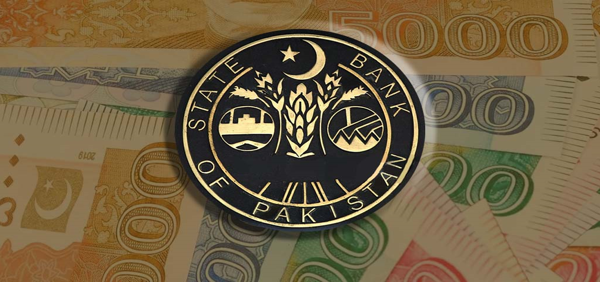
Credit: INP-WealthPk
متعلقہ مضامین